Fear as strategy and Europe’s Passivity: How Global Media Describe the Situation in Serbia
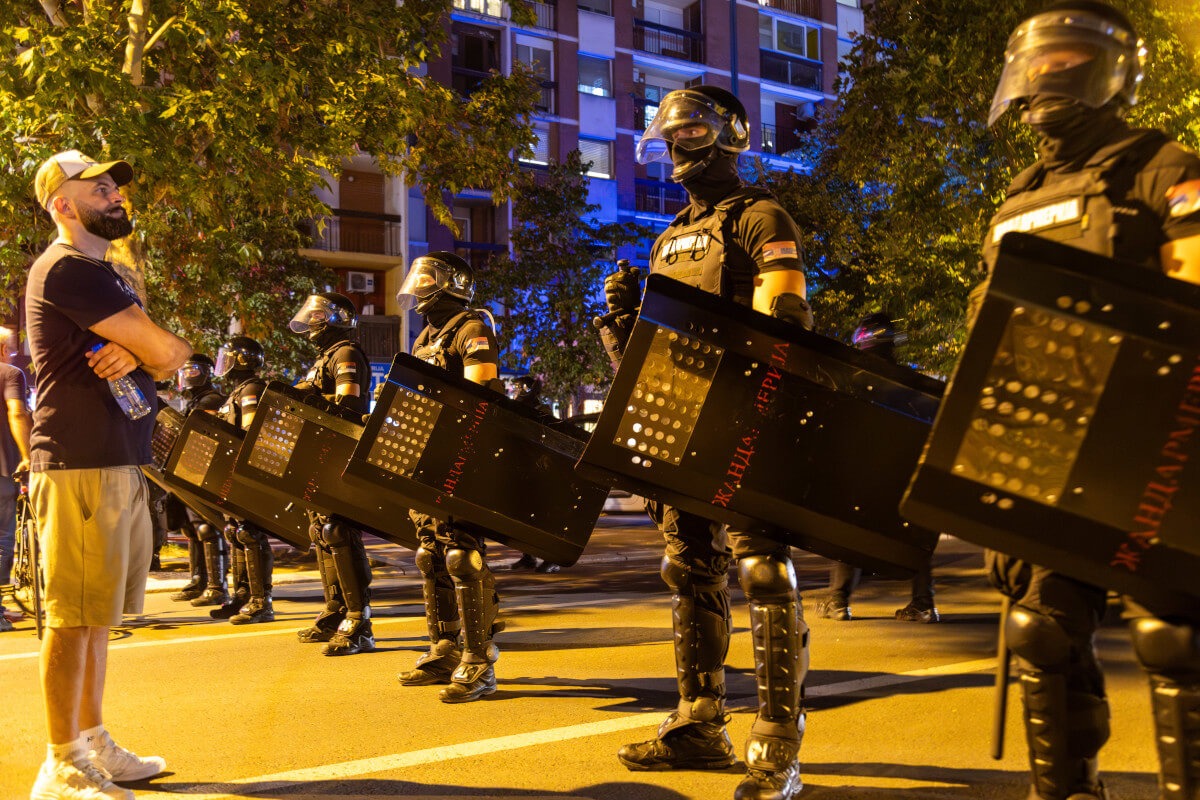
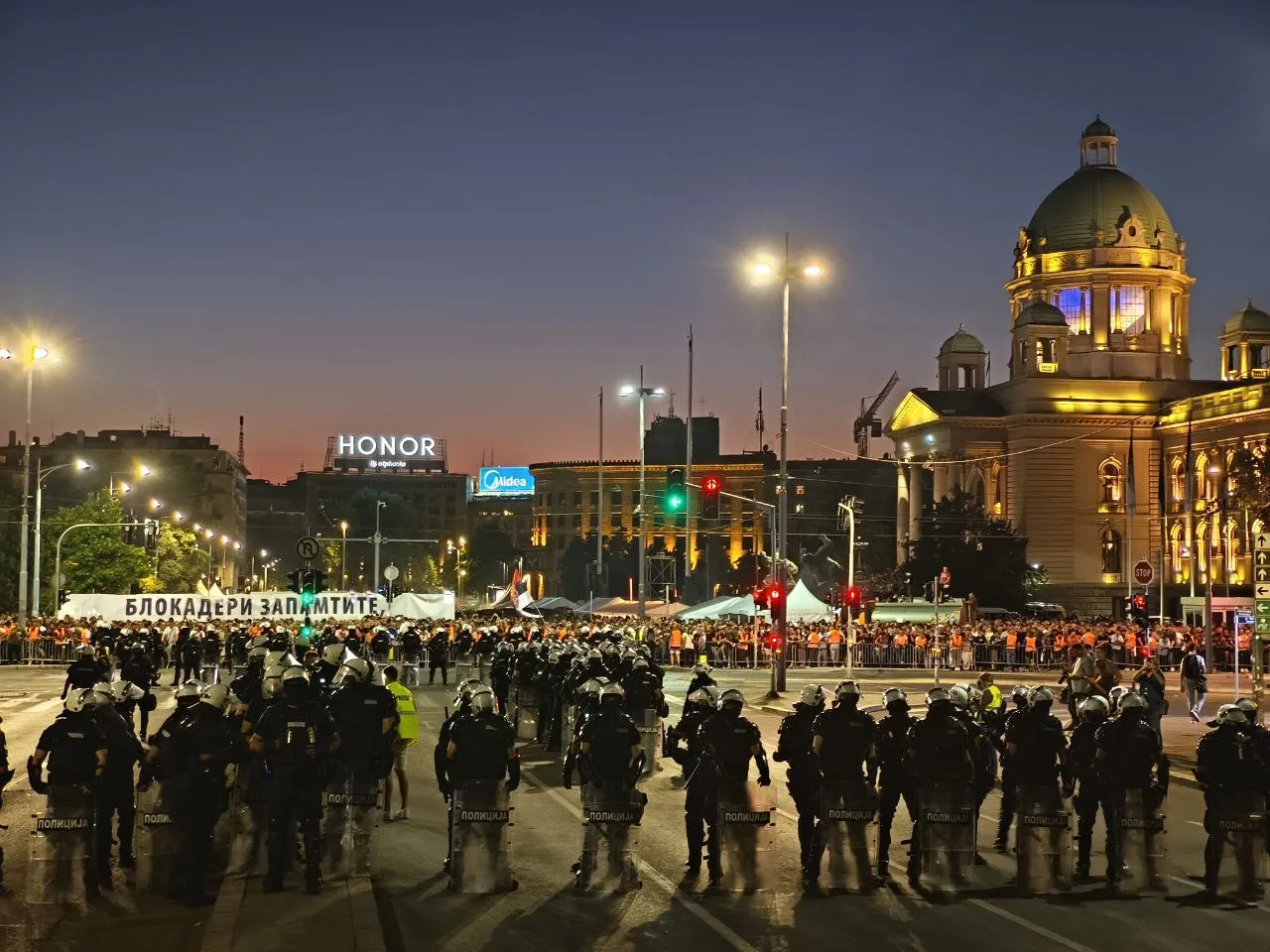
A protester in front of a police cordon

From admiration for the student movement to criticism of nationalist symbols during the Vidovdan protest, foreign media coverage of events in Serbia since November 1 of last year has gone through different phases. Judging by the latest headlines, however, autocrat Aleksandar Vučić is running out of room to maneuver. The country he leads is sinking deeper into chaos, and Europe is being urged to increase pressure on his regime in Belgrade.

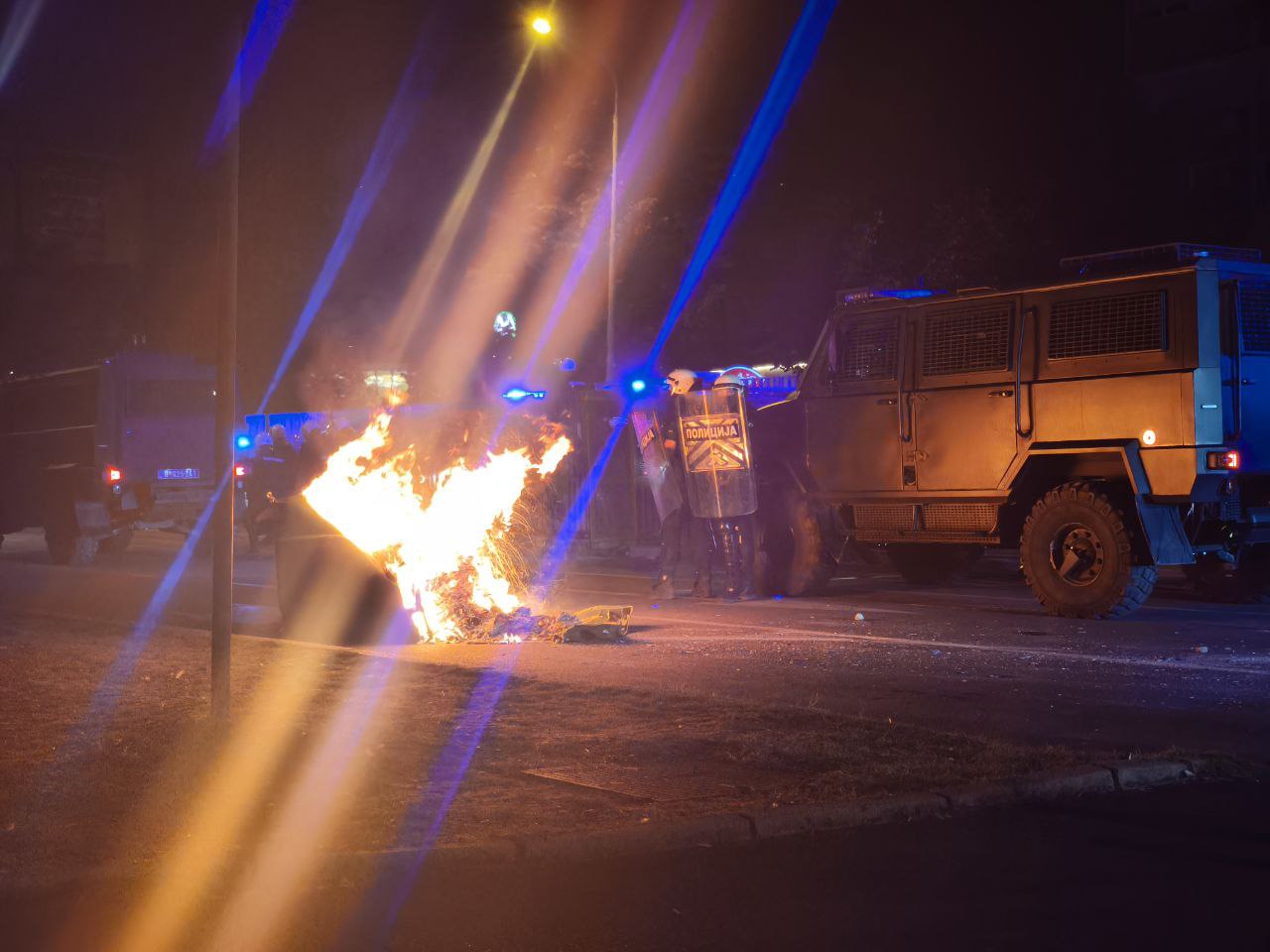
No, This Is Not a Civil War In Serbia

Clashes in Novi Sad

Recent protests across Serbia have often been described in the media and on social networks as a “civil war.” But political scientists, security experts, and historians interviewed by Mašina explain why the current state in Serbia cannot be described as a civil war, as they address what we are actually witnessing, and what is lies beneath the escalated repression.

Masked Men Violently Evict Students in Novi Pazar; Students Retake Building

All day, police blocked the entrance to the State University in Novi Pazar (DUNP), a Muslim-majority city in southeastern Serbia. In the early hours this morning, masked individuals forcibly removed student protesters from the building, leaving one student injured. As students from across the country flocked in support, students regained access to the building and chanted “Victory!” Citizens are now organizing protest blockades across the country in solidarity.

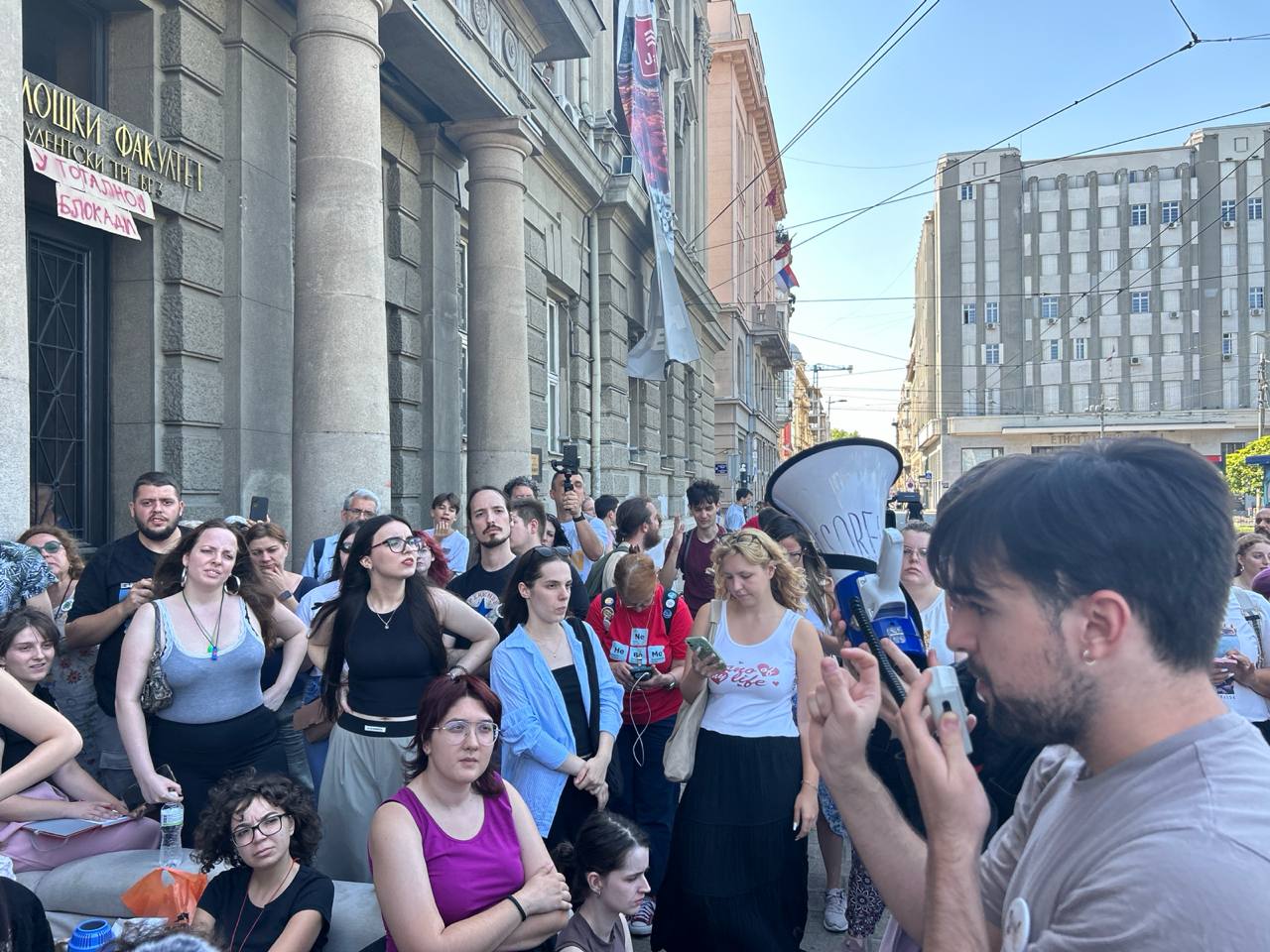
Dean of the Faculty of Philology demands that students remove their personal belongings from the faculty building; support rally for students is announced

Plenum in front of the Faculty of Philology

Dean of the Faculty of Philology Iva Draškić Vićanović gave the students that were blockading the building until 4pm to leave the building, stating that the reason is the entrance exam taking place there. Students have asked the citizens to join them in a support rally at 3pm outside of the institution in question.

The road to elections and who’s on it: What’s the status of citizens’ rebellion after eight months of action?

Protest in Belgrade

The government’s tactic of pretending not to notice civil rebellion and a comprehensive social and political crisis, i.e. to play the waiting game over a long period of time has, at least it appears so, started to work. Summer’s begun, the intensity of protests has gone down, the students are slowly returning to their academic duties. Despite everything though, small fires of resistance are continuing to ignite, mostly on the local level. What remains is the question of how to continue, that is, how to fulfill the main demand put before the regime – the calling of snap parliamentary elections?

Another symbol of Belgrade is being targeted – the students aren’t giving up on Sajam

Despite the administration denying it, the destruction of the Belgrade fair complex has unofficially begun. Students have called on citizens to gather in front of Sajam on 17th of July, so they could, as they state, stop “the destruction of another symbol of our city.” During the action, police detained one student and two citizens.

More Baseless Arrests: Escalating Repression Breeds Fiercer Resistance in Serbia

30 days of detention have been ordered for nine residents of the western city of Užice following protests during which citizens broke through the police cordon. Ahead of the St. Vitus protest on June 28, police detained eight other individuals and accused them of planning to potentially “undermining the constitutional order” – in other words, terrorism. Seven of them received the same sentence as those from Užice. In total, 16 people are currently behind bars, three of whom are students. Through this move, the Serbian government demonstrated its intent to again apply the methods it used in Novi Sad, where six activists were detained on similar charges in March 2025. However, as it turns out, the public’s response to such heightened repression and oppression is heightened resistance.

Is this freedom: After everything, where are protesters finding the energy to keep going?

“No one is tired!” can be heard, almost by default, at every protest, blockade or organized action of civil disobedience across Serbia. Citizens, fueled by the student movement’s energy, use this slogan to make it clear to the current regime that no extreme heat, increased repression or eight months of relentless struggle will stop them. The question that remains is – how?

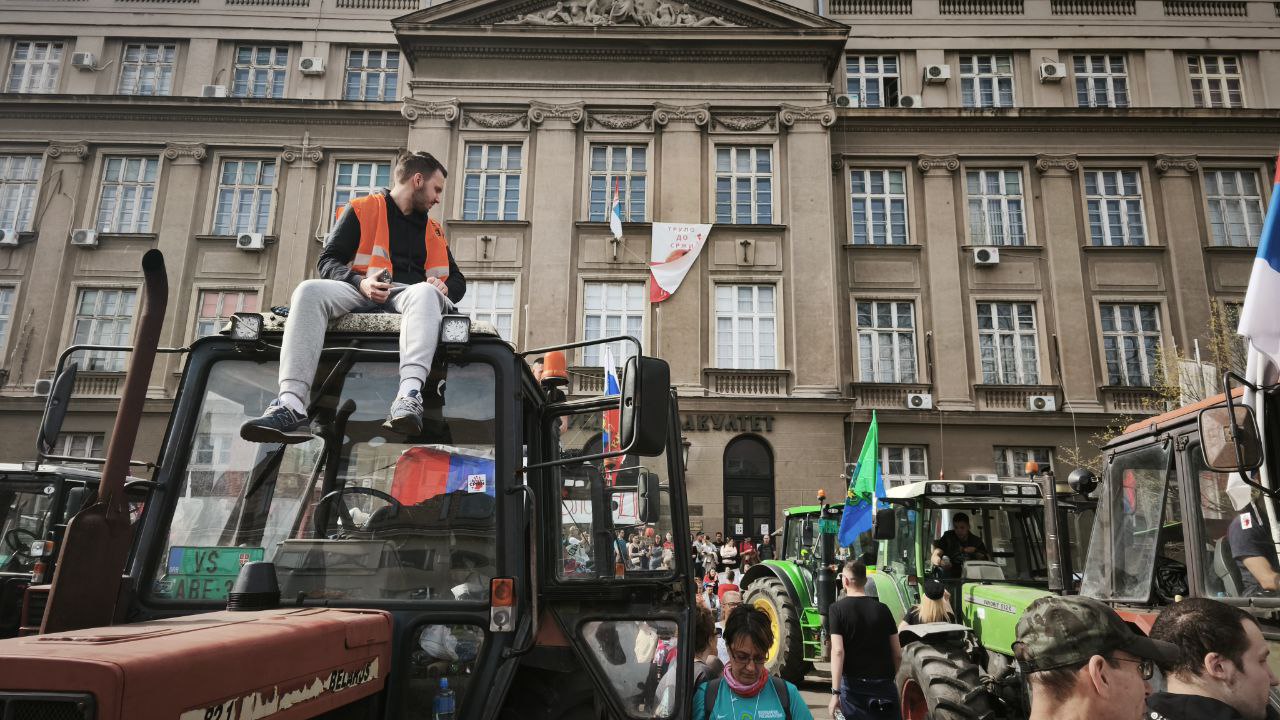
Nationwide Street Blockades Grow Despite Mass Arrests and Police Repression

For a week, street blockades and other acts of civil disobedience have broken out throughout Serbia. In Belgrade, Niš, Novi Sad, and other cities, citizens have been blocking intersections and major roads to demand that the government hold snap parliamentary elections. In response, the police have been beating and arresting students and citizens alike – further fueling outrage and raising the stakes of a movement that shows no signs of backing down.

Two Gatherings in Belgrade on Vidovdan: A Choice Between Empires

Protest in Belgrade

On Vidovdan, June 28, two gatherings will be held in Belgrade. Students blockading universities have announced a protest, as has the Minister for Human and Minority Rights and Social Dialogue. At the latter’s gathering, the “Movement for the People and the State” will be formally unveiled.

Government Influence and Academic Resistance in Serbia

The recently appointed Prime Minister of Serbia Dr. Đuro Macut and the Rector of the University of Belgrade Dr. Vladan Đokić, have reached a series of verbal agreements regarding the continuation of work and the “preservation of the integrity and credibility” of the University of Belgrade. Plans are in now place to hold entrance exams … Read more