“EU Funds Are Fueling Repression in Serbia”: European Parliament meets with Serbian Opposition
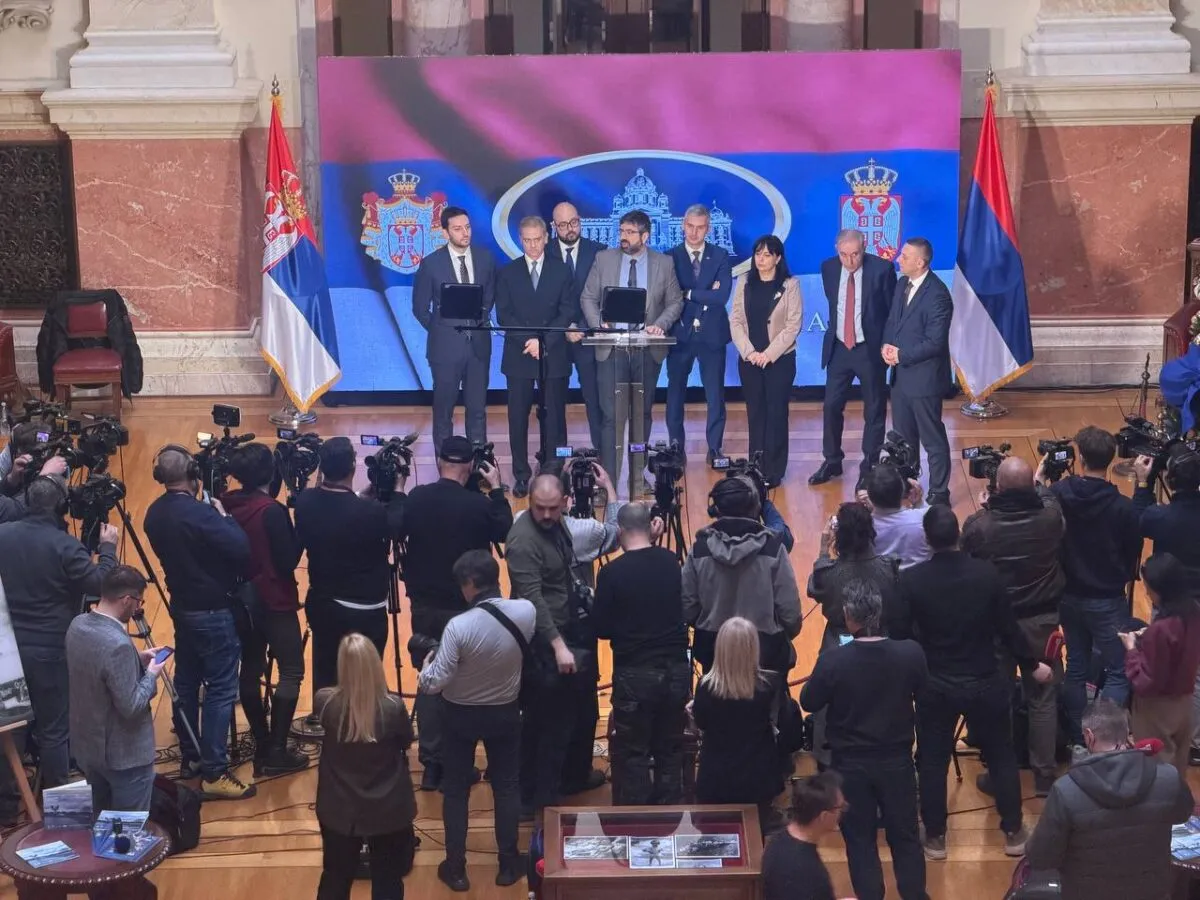
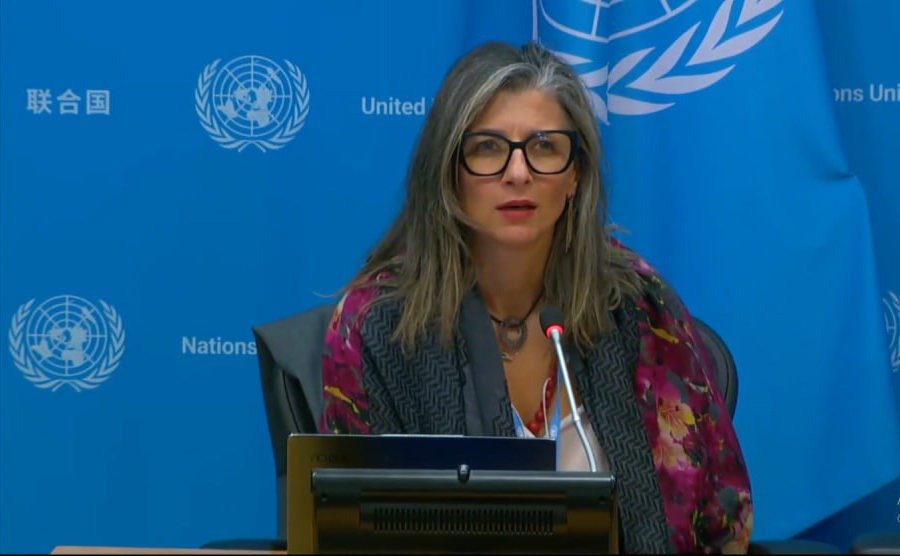
During its fact-finding visit to Serbia, a delegation of the European Parliament met with representatives of the Serbian opposition. Following the meeting, Mašina spoke with three opposition members of parliament, who said the talks focused on election integrity, the misuse of EU accession funds, and what – if anything – can be expected to change in the EU’s relations with the Serbian government.

“The US Is a Dying Empire”: Political Scientist Dario Azzellini on the Attack on Venezuela

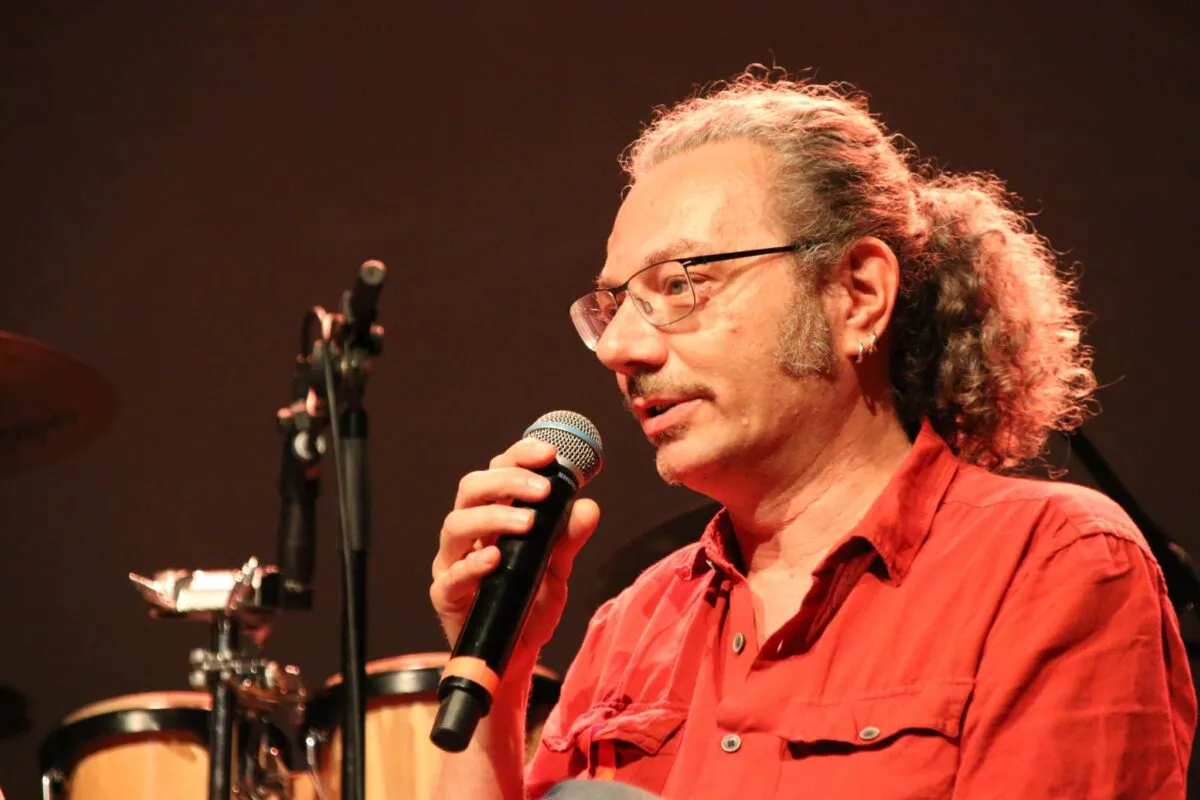
Dario Azelini

According to political scientist Dario Azzellini, the US attack on Venezuela and the abduction of President Nicolás Maduro do not merely constitute a violation of international law, but its complete collapse. In an interview with Mašina, Azzellini explains why he sees this event as a symptom of a “dying empire,” and at the same time as a prelude to a new, dangerous phase of global conflict.

“Declare Victory”: Students to Canvass 89 Cities for Parliamentary Elections

On December 28, from north to south and east to west, student booths will be set up across the country in order to collect signatures in support of the students’ call for snap parliamentary elections. Students note that their goal goes beyond signature collection and extends to building connections with the broader population.

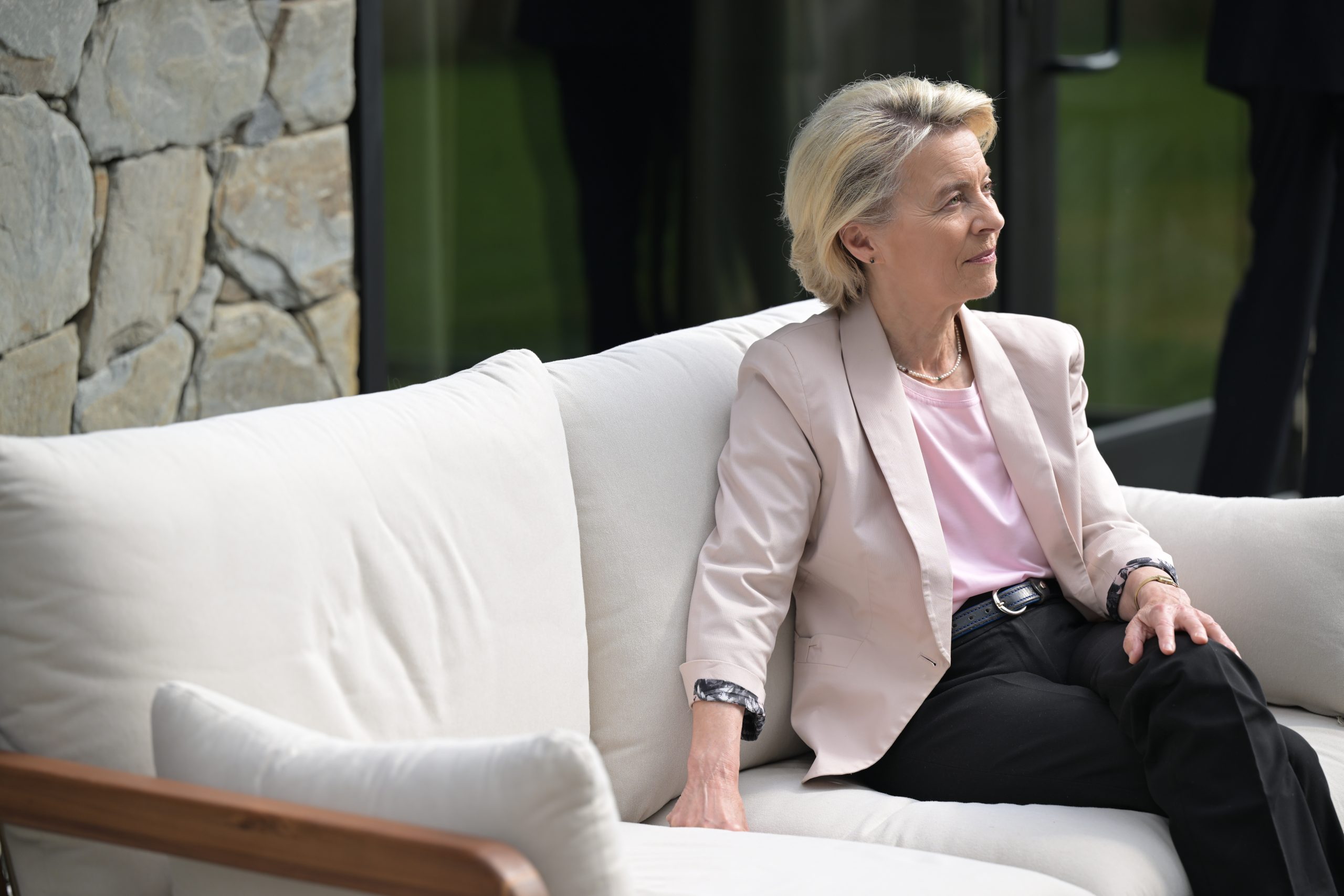
Von der Leyen Faces Pressure Over Serbia Visit

European Commission President Ursula von der Leyen will meet with Serbian President Vučić and Prime Minister Macut tomorrow during her visit to the Western Balkans. European political parties, media rights organizations, and Serbian citizens have called on von der Leyen to take a stand in support of those protesting against the government’s corruption and repression. Von der Leyen is visiting Serbia as part of her tour of the Western Balkans, which also includes Albania, Montenegro, Bosnia and Herzegovina, and Kosovo.

The road to elections and who’s on it: What’s the status of citizens’ rebellion after eight months of action?

Protest in Belgrade

The government’s tactic of pretending not to notice civil rebellion and a comprehensive social and political crisis, i.e. to play the waiting game over a long period of time has, at least it appears so, started to work. Summer’s begun, the intensity of protests has gone down, the students are slowly returning to their academic duties. Despite everything though, small fires of resistance are continuing to ignite, mostly on the local level. What remains is the question of how to continue, that is, how to fulfill the main demand put before the regime – the calling of snap parliamentary elections?

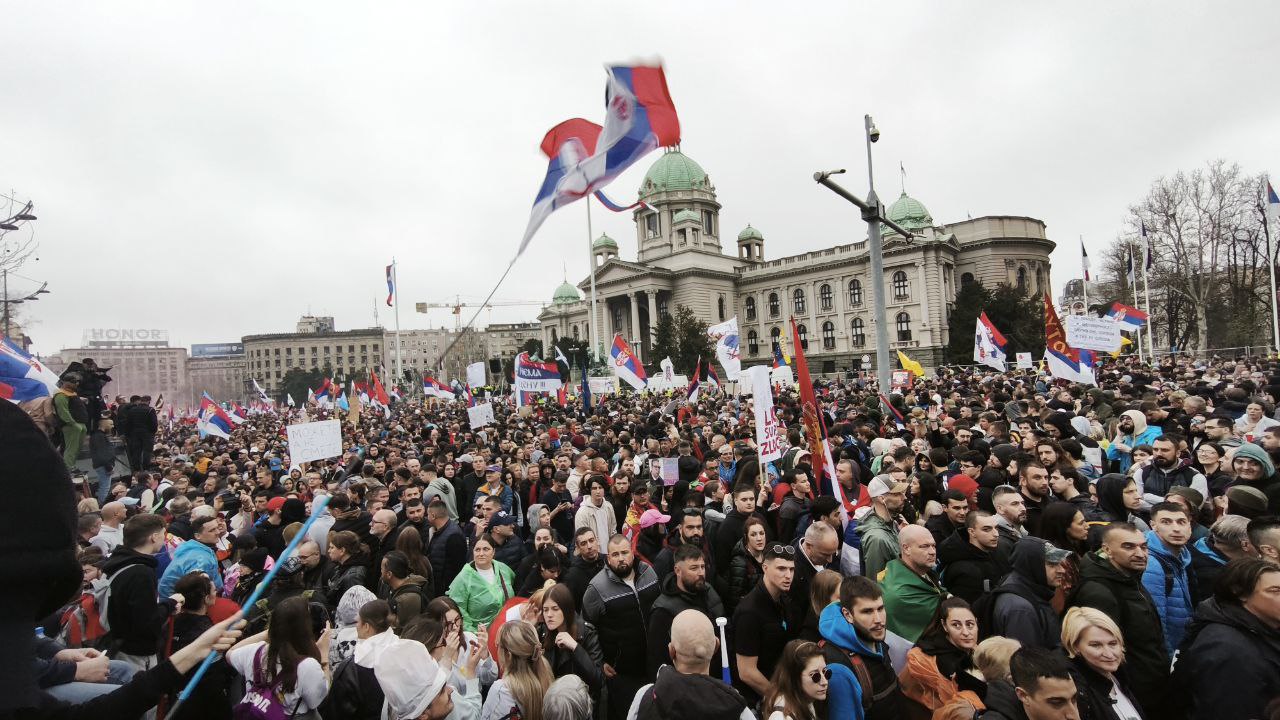
With the largest protest in Serbia behind us, what do we mean by changing the system?

Following the largest student-led protest in Serbia, that took place in Belgrade on March 15, the question about “what’s next” is on the agenda. The fight continues, and with it, discussions about “systemic” change: beyond ethno-nationalist anti-systemic narratives or liberal calls of an expert government, the class conflict, which arises from the concreteness of the student struggle, i.e.: for a (self-organized) society as a political community, should be emphasized.

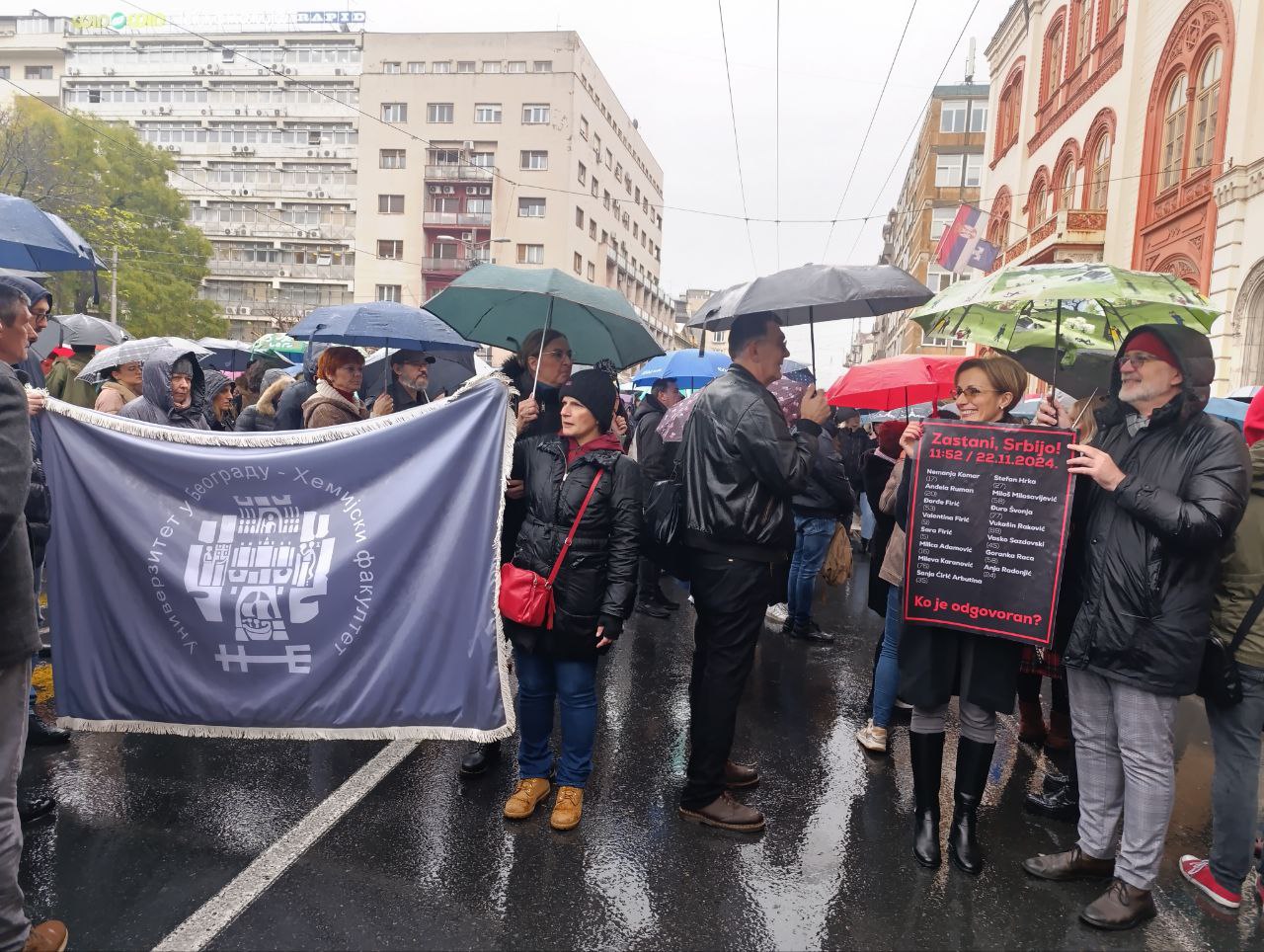
“Serbia, stop” protest action held across the country, incidents in front of Radio Television of Serbia and Faculty of Dramatic Arts

Foto: građani u protestu

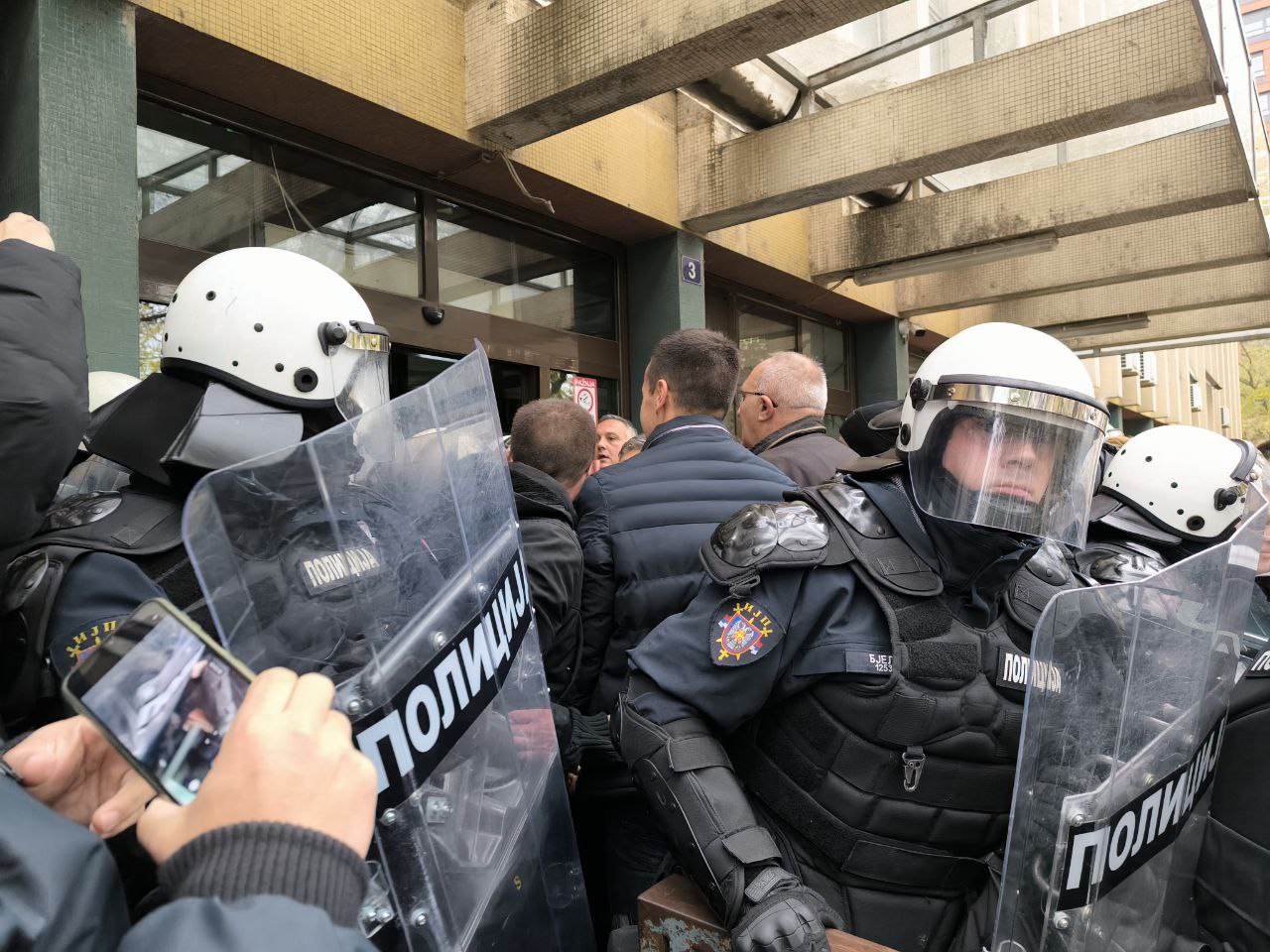
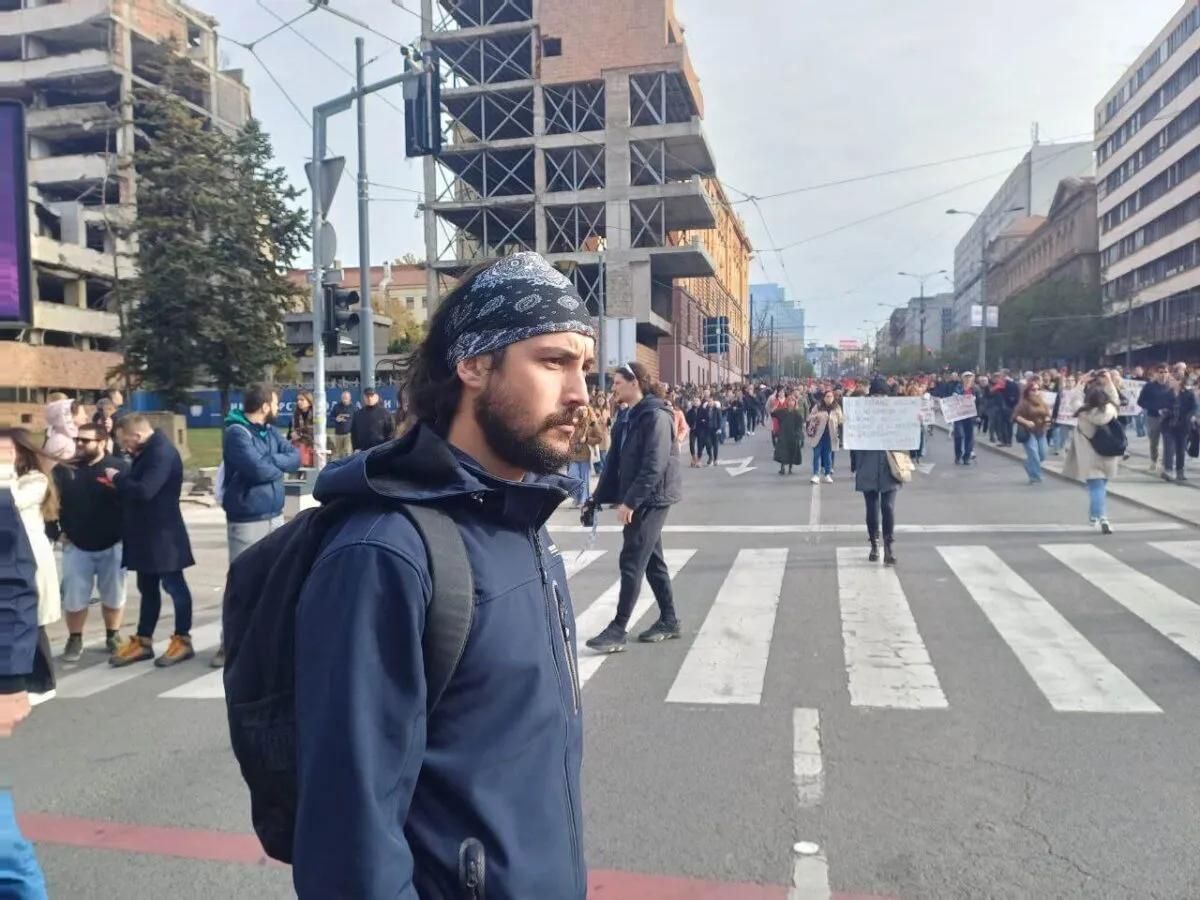
The protest action “Serbia, stop” was held today from 11:52 a.m. to 12:08 am, 15 minutes for the 15 lives lost in the fall of the concrete canopy, across Serbia and clashes broke out in front of the RTS and FDU buildings.

Opposition Politicians Clash with the Police in Protest of Railway Station Awning Collapse and Political Repression

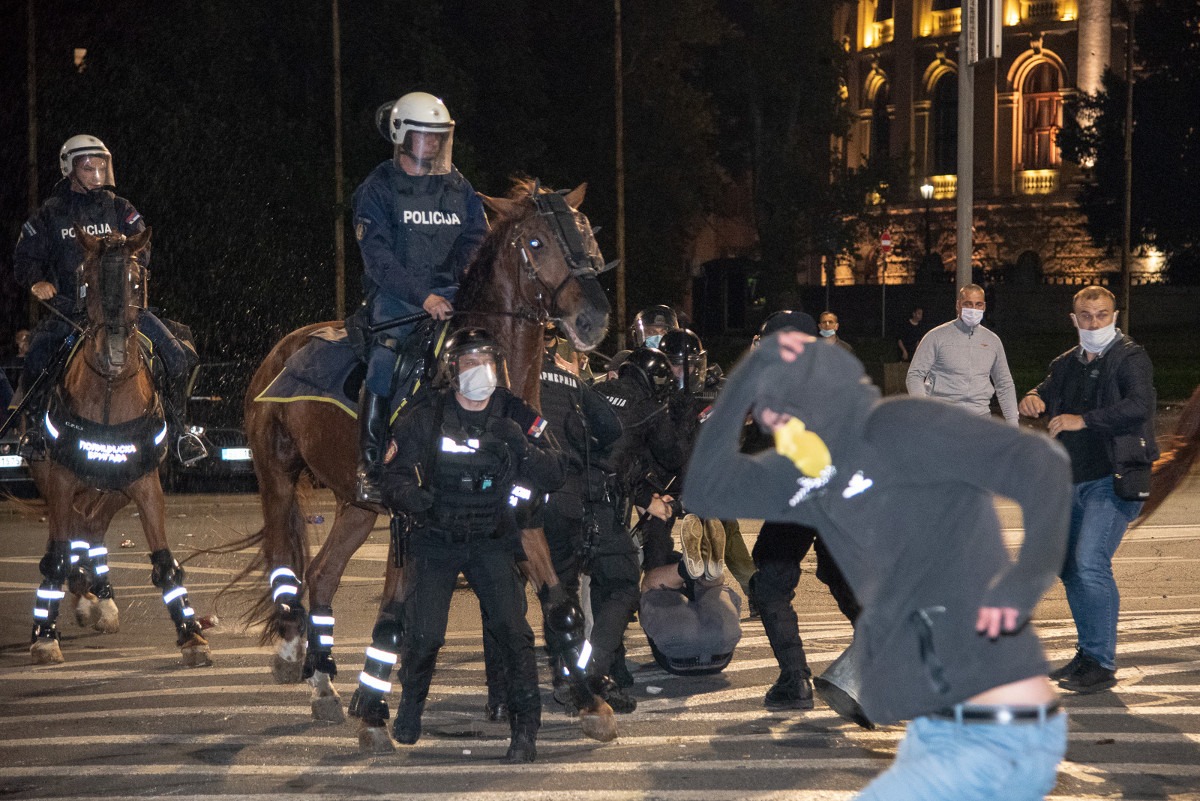
Foto: građani u protestu, policijska intervencija

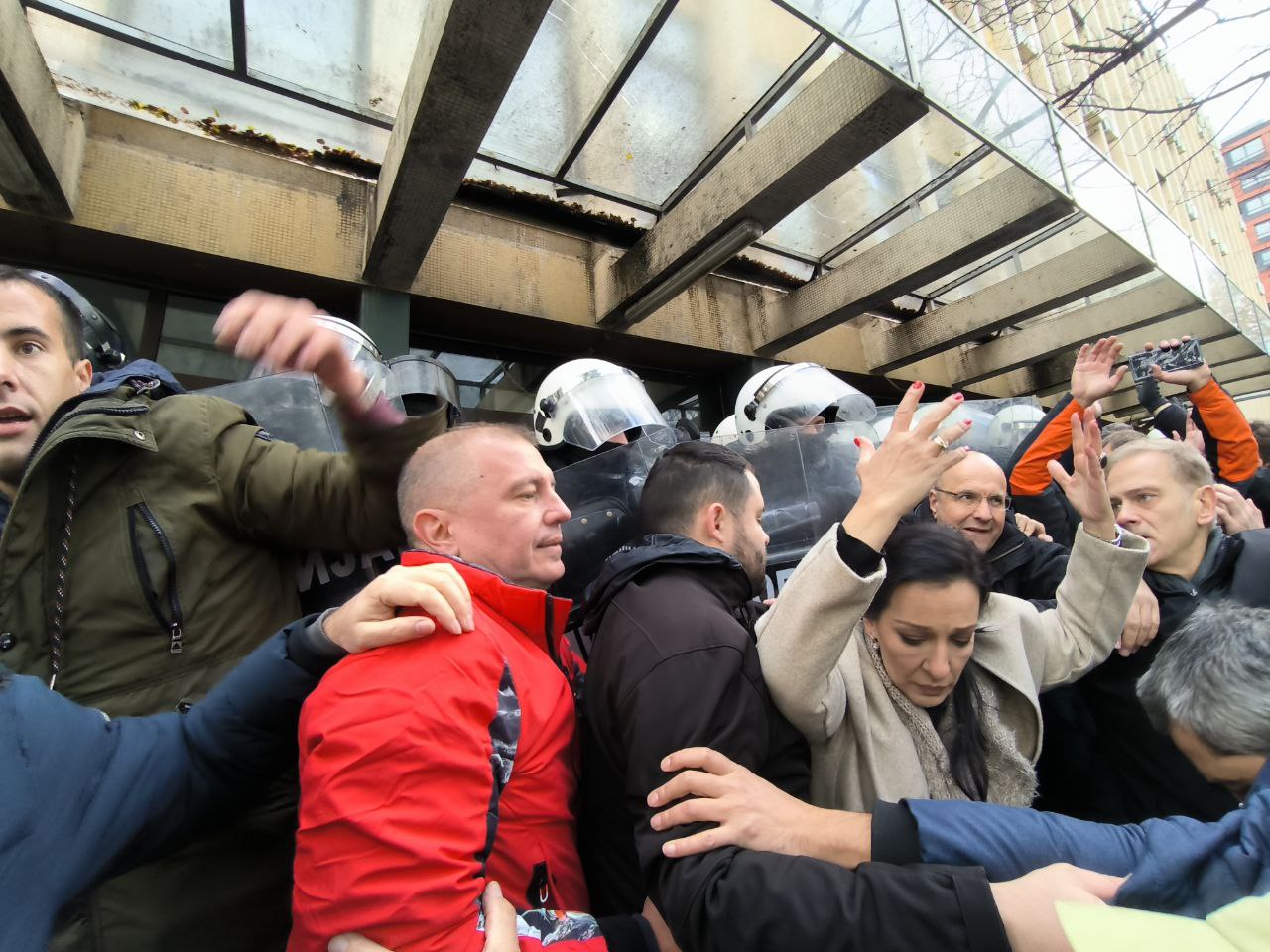
Members of Parliament on both the national and local level, along with city councilors, are blockading various government buildings in Novi Sad. They are calling for accountability in the wake of the collapse of the railway station awning in Novi Sad that killed 15 people and critically injured two more. They are also demanding the release of those detained at protests calling for such accountability, some of whom are being called political prisoners by civil society organizations.

The “Corruption kills” protest: “The opposition must step to the front line”

Foto: građani u protestu

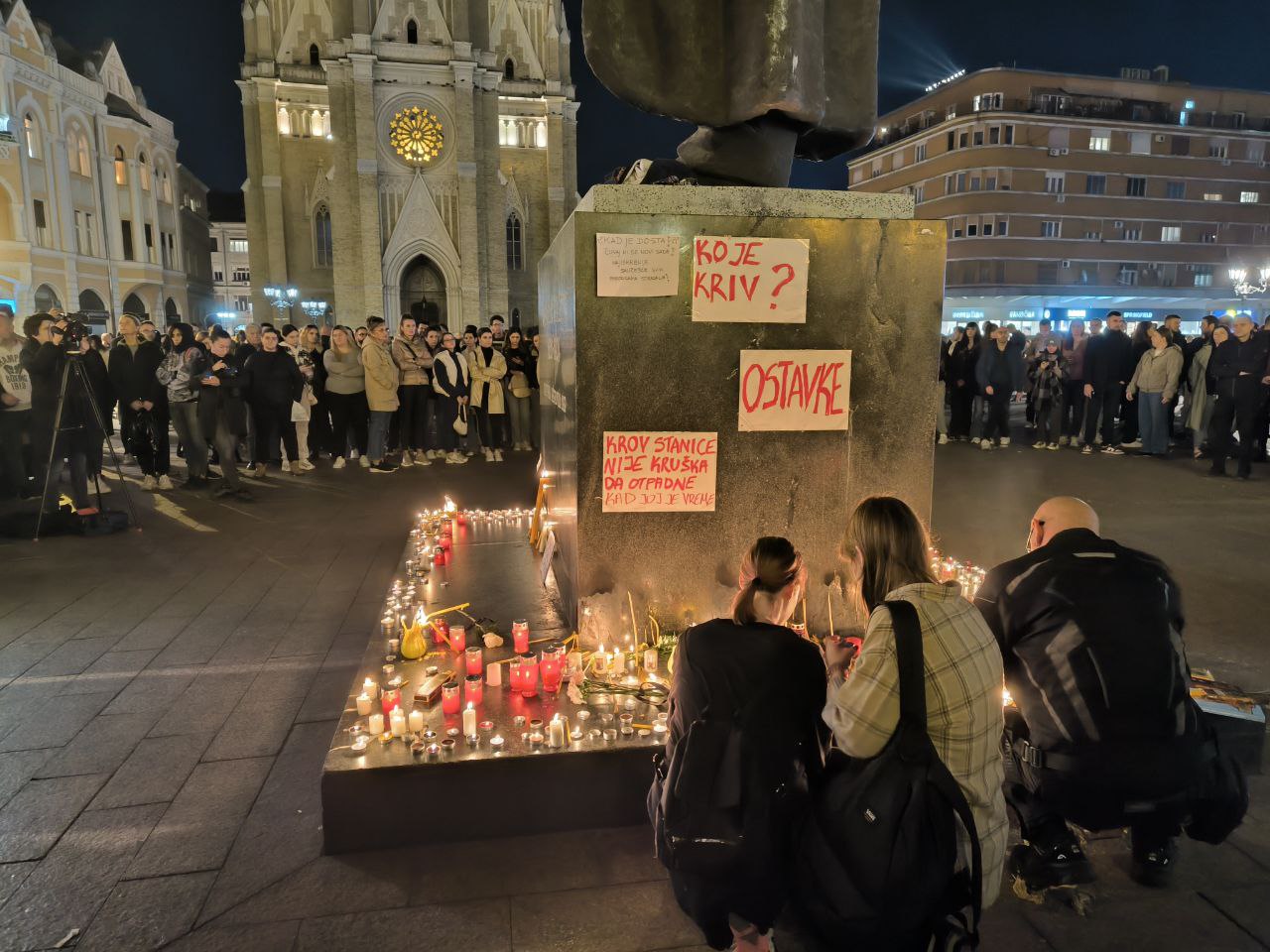
Roughly 10,000 people gathered in Belgrade on Monday evening under the slogan “Corruption kills”, protesting the circumstances leading to the fall of the awning of the main Railway Station in Novi Sad, which killed 14 people. Despite the strong messages and critique of the state authorities, the rally was dissolved after an hour and a half without any concrete developments.

“Down with profit, long live the environment!”, a strong message from the Serbian diaspora to the authorities in Germany

Building of German Parliament; Photo: Herman/Flickr

A protest against lithium mining in Serbia and the development of the Rio Tinto company Jadar project will be held in Berlin today at 5 p.m. local time. In the proclamation that will be read at the protest, the organizers convey clear messages to the authorities in Germany and their partners in Serbia.