
The EU’s Strategic Mistake

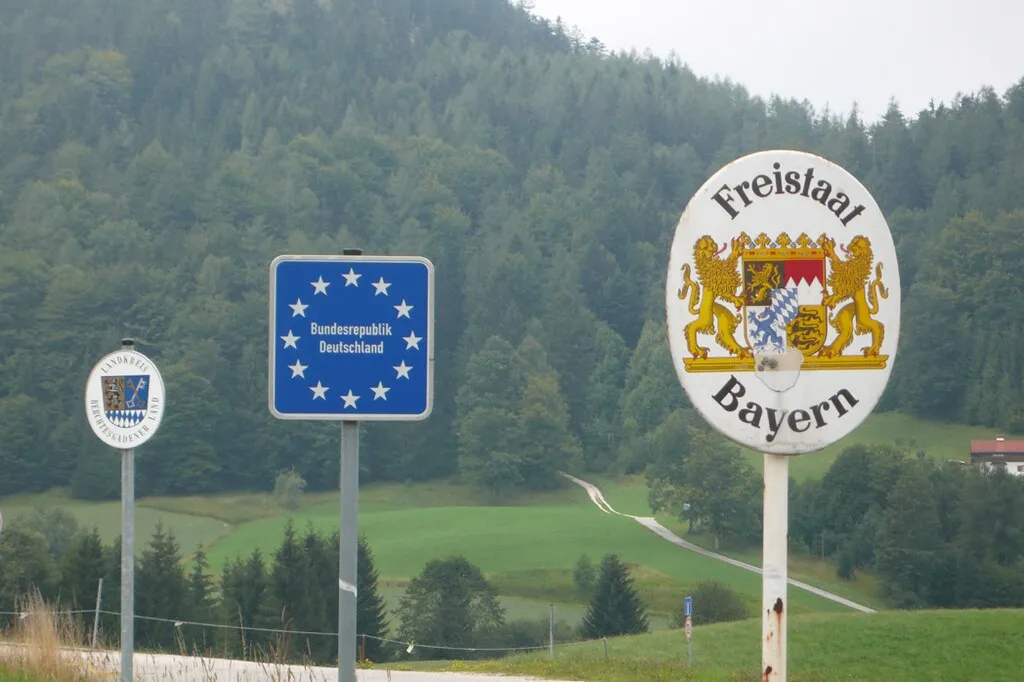
The rush for critical raw materials is costing the EU its own democratic values.
The rush for critical raw materials is costing the EU its own democratic values.
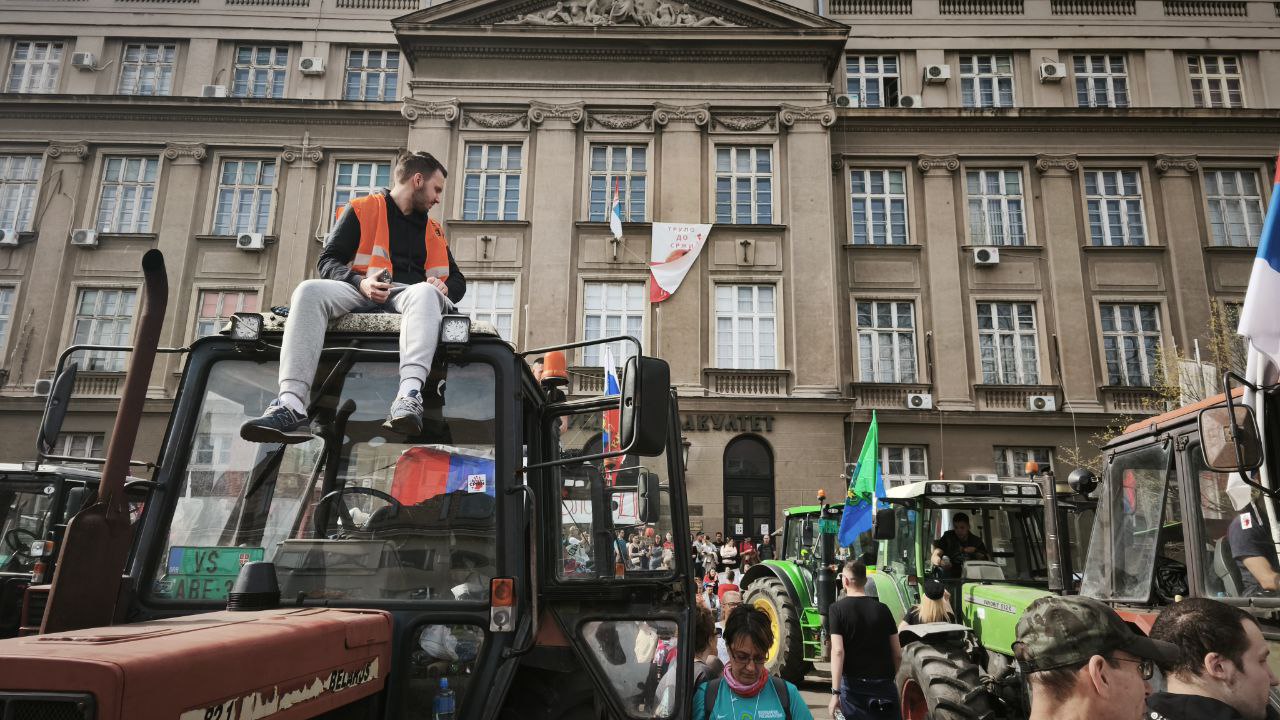
Labour and LGBT+ rights during student and popular protests in Serbia.
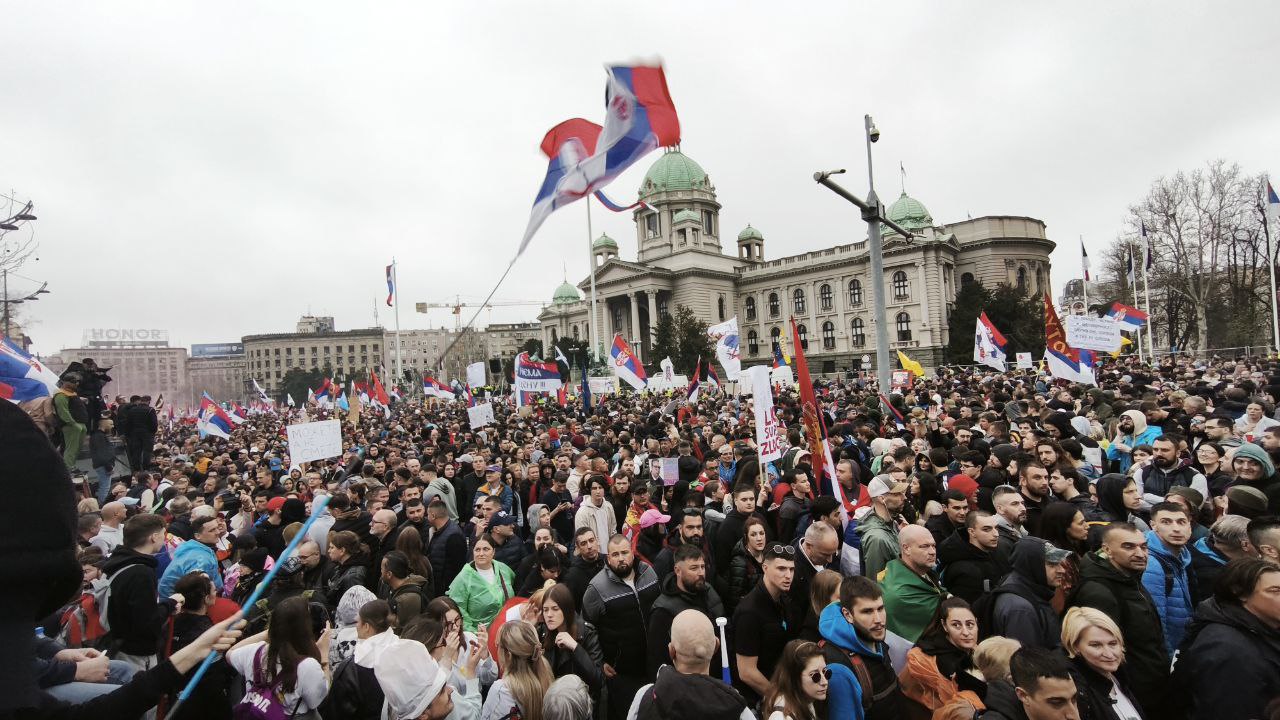
Following the largest student-led protest in Serbia, that took place in Belgrade on March 15, the question about “what’s next” is on the agenda. The fight continues, and with it, discussions about “systemic” change: beyond ethno-nationalist anti-systemic narratives or liberal calls of an expert government, the class conflict, which arises from the concreteness of the student struggle, i.e.: for a (self-organized) society as a political community, should be emphasized.
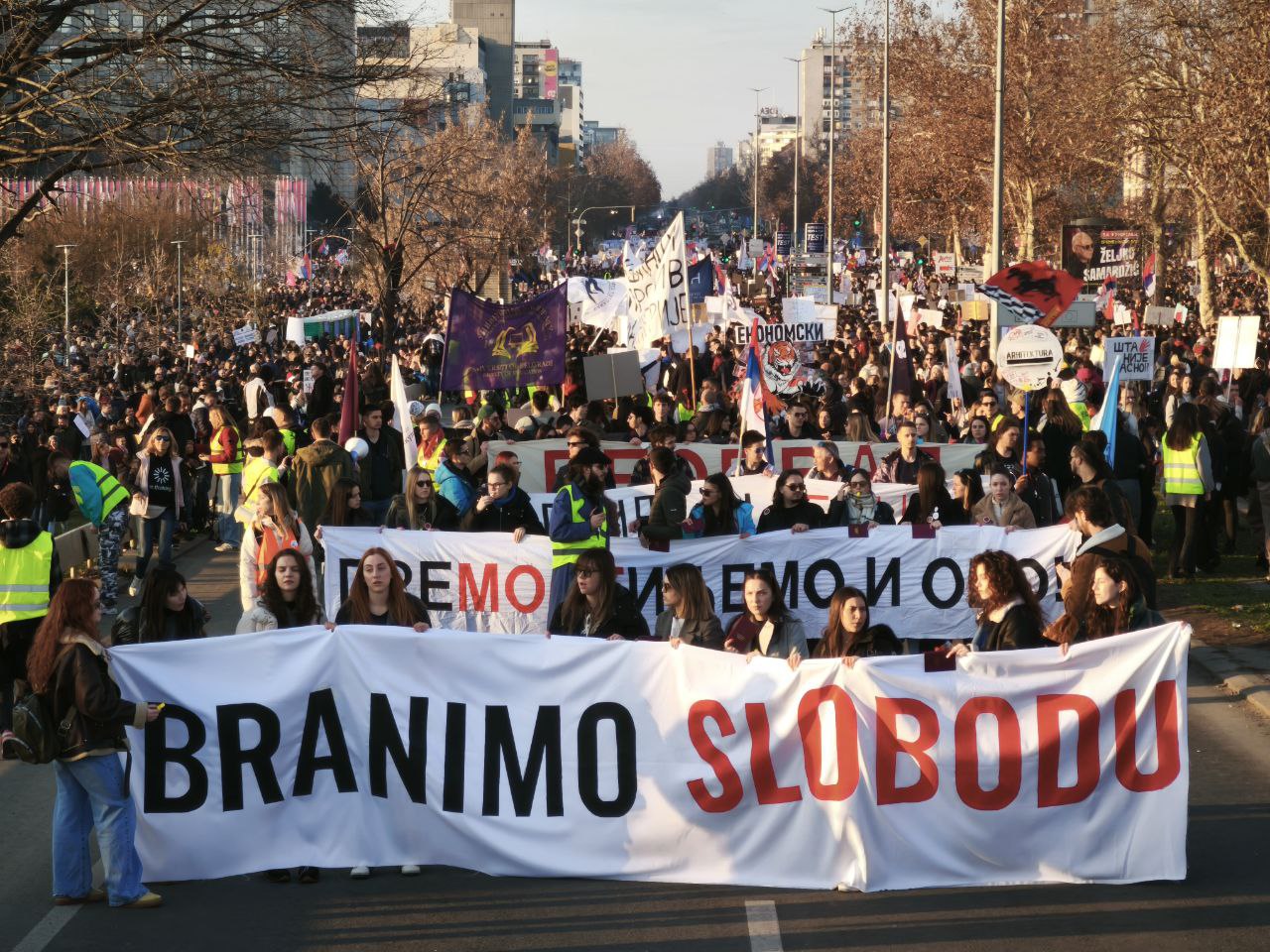
The blockade of three bridges in Novi Sad is one of the largest protest gatherings in Serbia, which has only grown stronger since November 1, 2024. Along with the spread of the protests, the largest student movement in recent European history has also developed. Here’s how we got there.
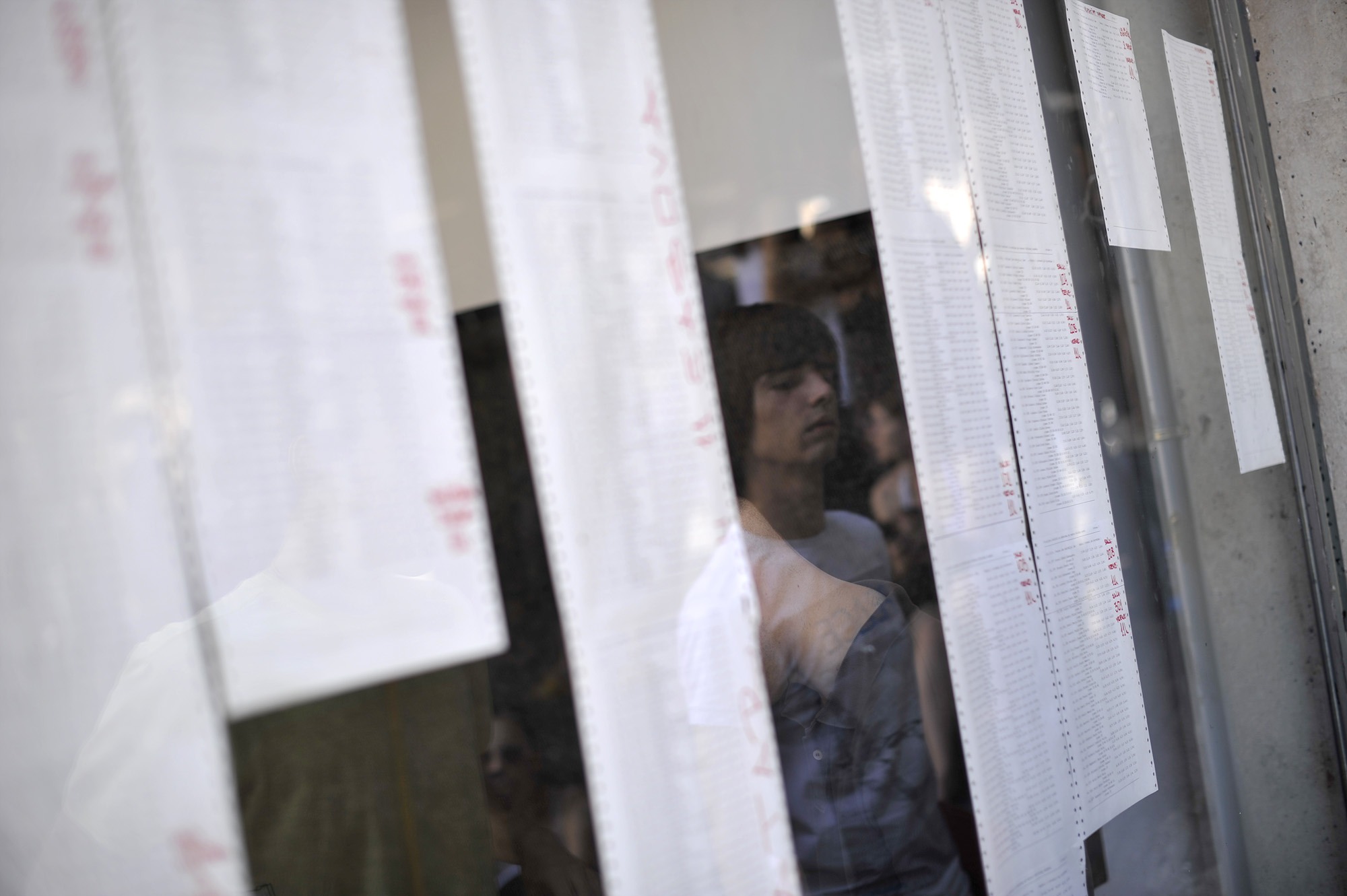
Who can afford education in Belgrade and how do students live? Students of the University of Belgrade answer these questions and present the obstacles they face.
The precarity of female care workers from the Balkan countries in the EU is revealed through the relationship with intermediaries who find their posts but also take a significant percentage of their earnings through fees. This interdependence is not only economic; it is a question of class and female solidarity in a contemporary context.
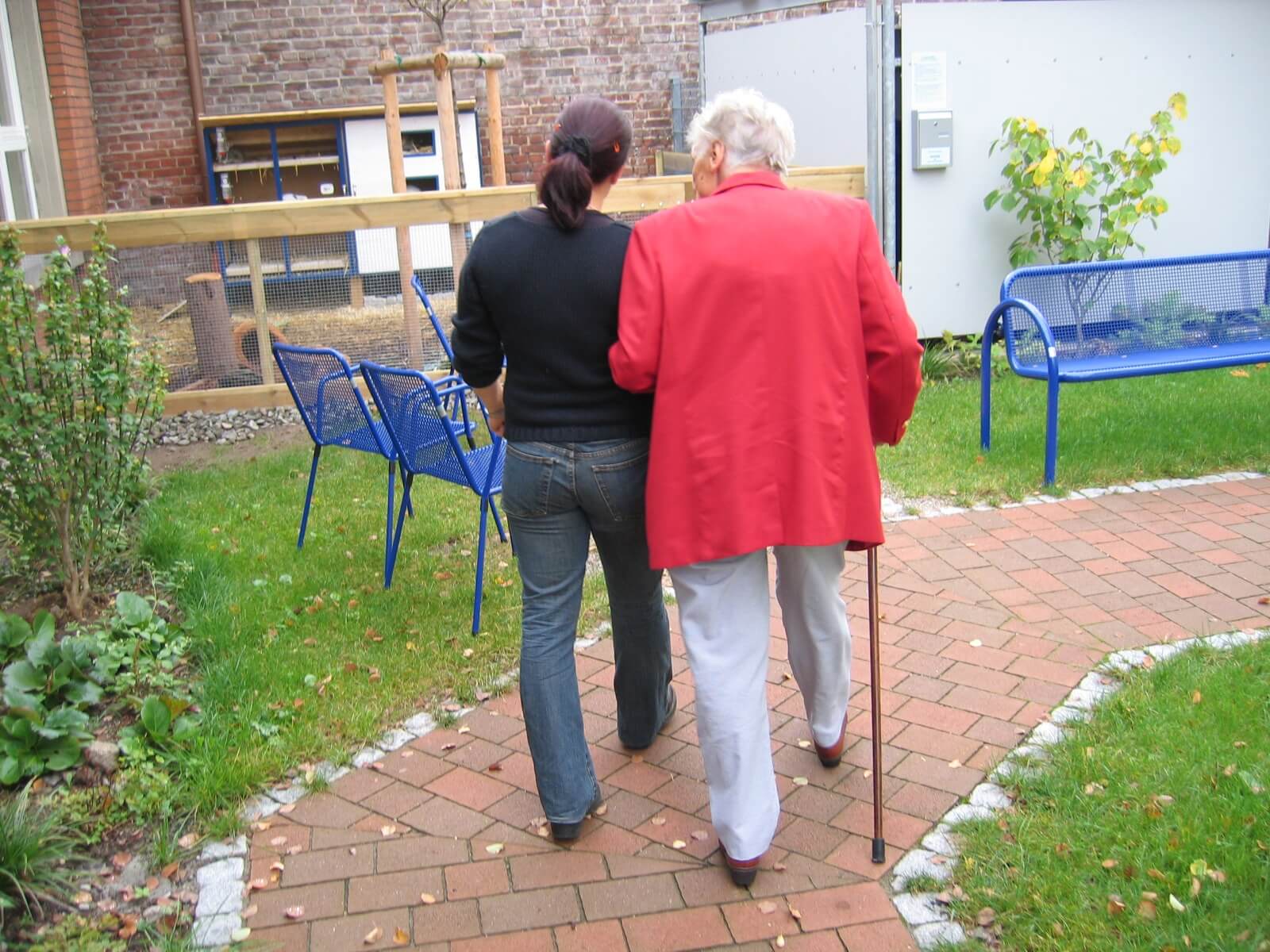
A great number of women from former Yugoslavia regularly go to Germany and other EU countries to perform care labour. In most cases, they are completely exploited. Moreover, individuals and institutions of the EU countries both create and abuse their situation.

The hopes of Turkey’s opposition forces for a victory in the Turkish elections have been dashed. Incumbent President Recep Tayyip Erdoğan narrowly won the second round of the presidential election against Kemal Kılıçdaroğlu of the centrist Cumhuriyeti Halk Partisi (CHP). The Cumhur İttifakı of the ruling nationalist-religious Adalet ve Kalkınma Parti (AKP), the ultra-nationalist MHP … Read more

The key questions at this year’s United Nations COP27 climate change summit are whether developed countries will agree to start compensating poorer countries for the loss and damage they incur as a consequence of climate change and whether they will call it “aid” or reparations.
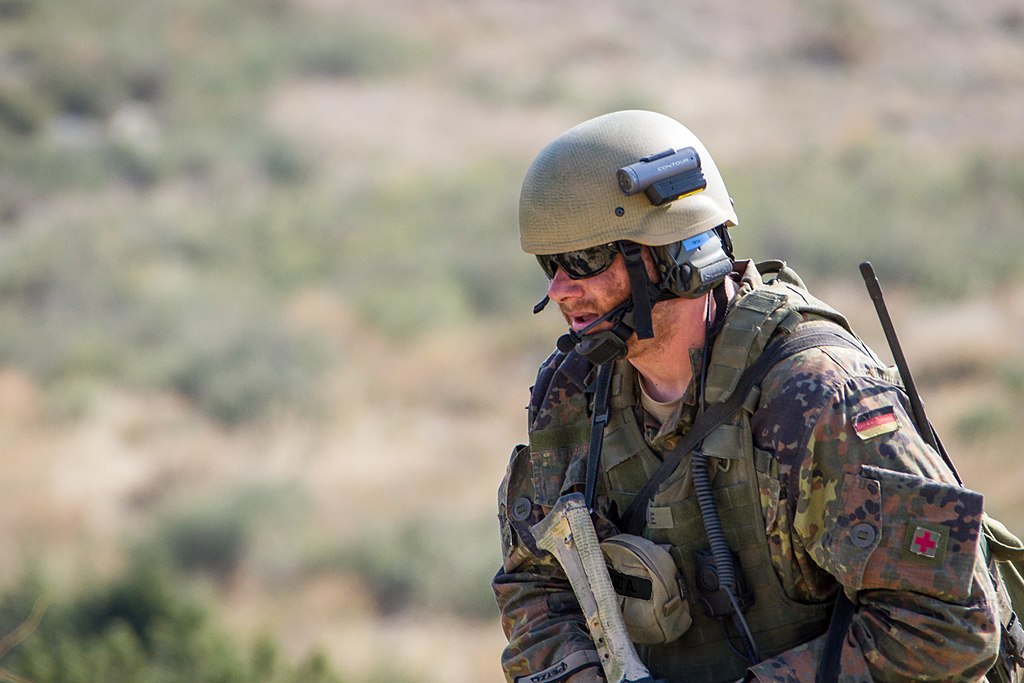
High armament does not make Germany and Europe more peaceful or safer. This text is based on the speech the author gave on June 3, 2022, during the protest rally, organized by Die Linke party, “100 billion for health, education and affordable housing: No special funds for rearmament!” in front of the Reichstag building in Berlin.

Rising concerns over environmental problems brought green political organizations to the foreground. Green political parties have been present in Serbia before, but their role has not been entirely positive.
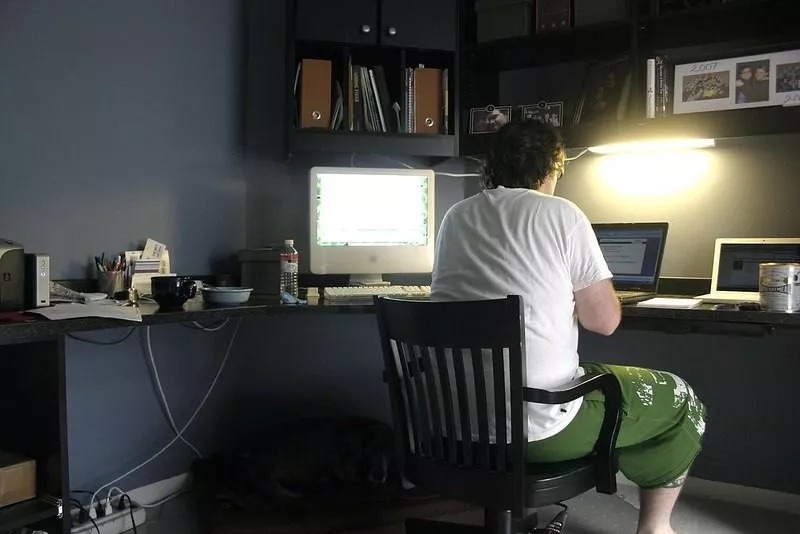
The number of people working from home increased during the pandemic. Employers have quickly resorted to modern tools for monitoring and supervising workers, which creates the need for legal regulation and clear moves by unions to protect the rights of workers working from home.
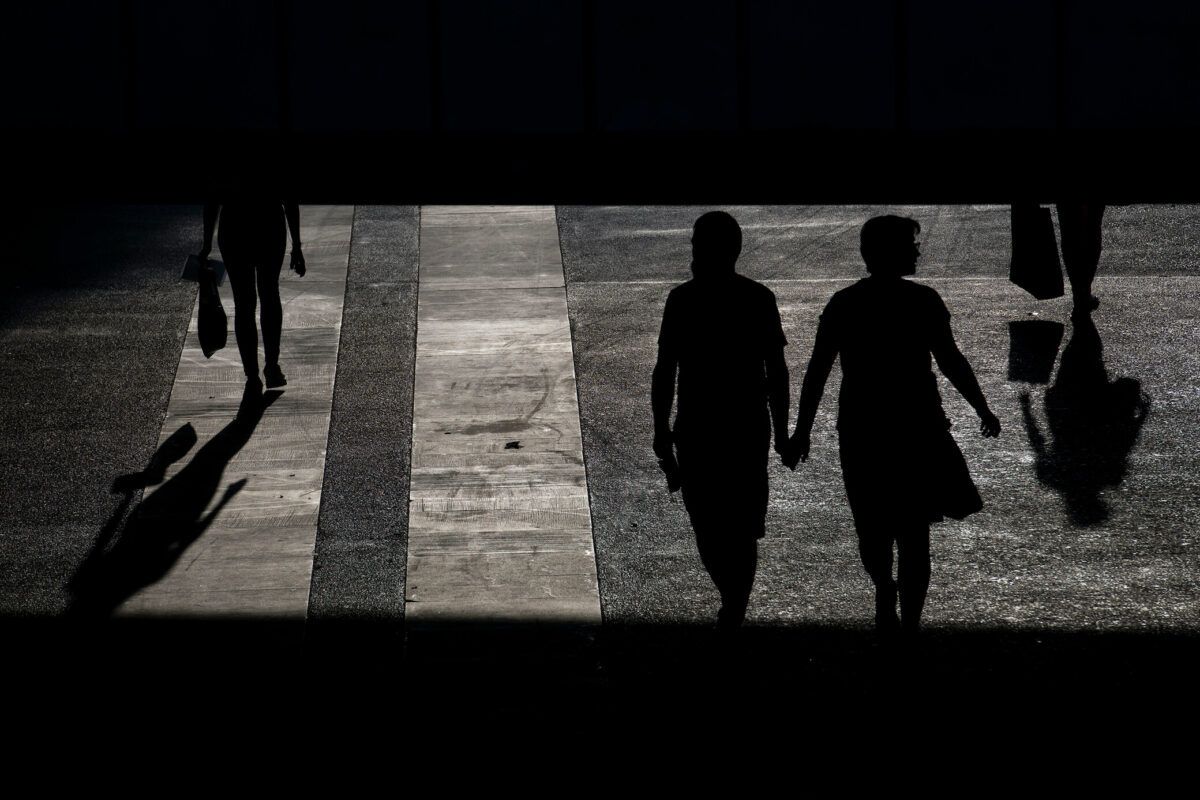
Gender-based violence present in the digital space reflects the everyday violence women face in a violence-prone society

Can we inform ourselves objectively on social networks?

If the police used biometric surveillance to identify the protesters, then they violated the law.
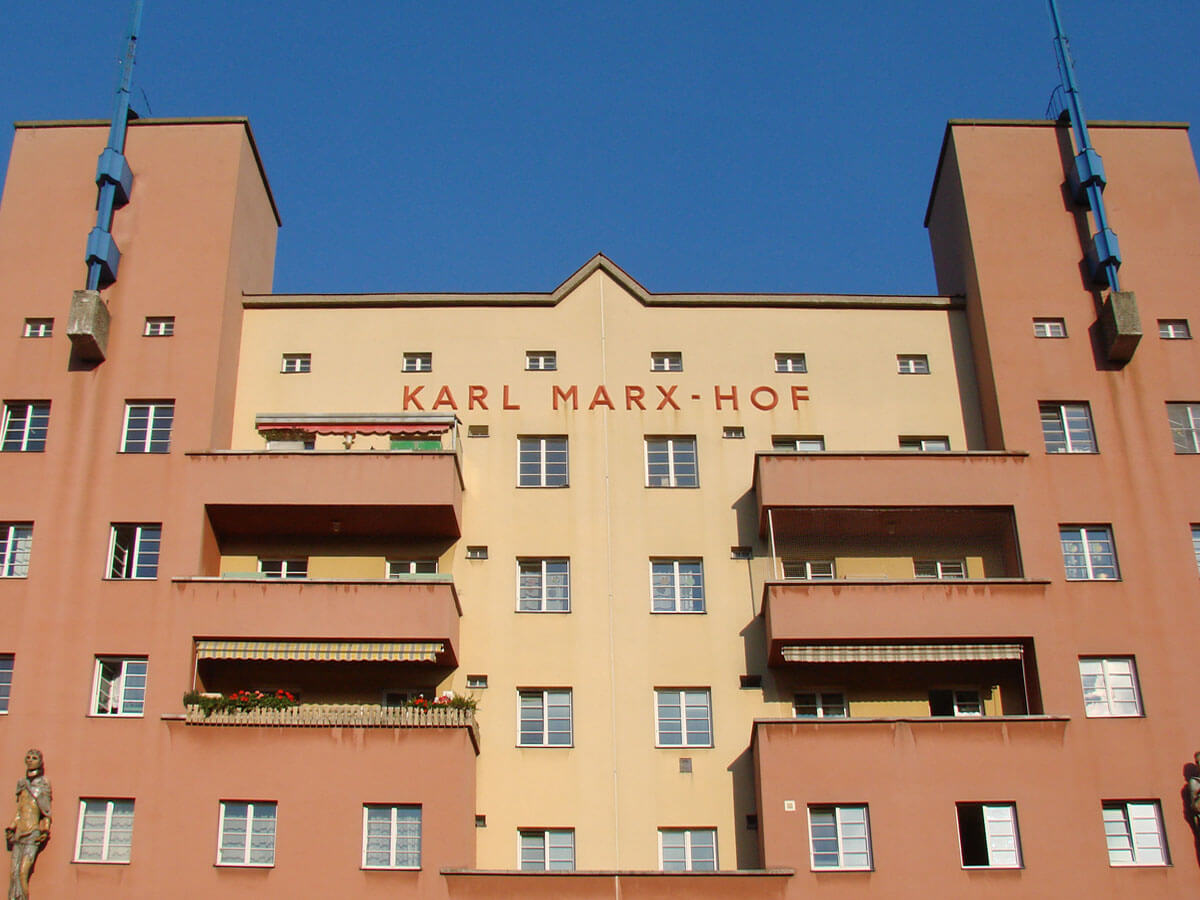
Using the Berlin referendum vote to expropriate large-scale landlords as a reference, ELMO’s roundtable brought together activists from movements in Romania, Serbia, Hungary and Germany to discuss struggles for the right to housing.

The economic success that the Government has been bragging about recently shouldn’t be presented merely by statistics: the economy is actually made up of people whose lives are in danger.

Bots, trolls and cyber troops are means of political elites to manipulate public opinion and manufacture political apathy
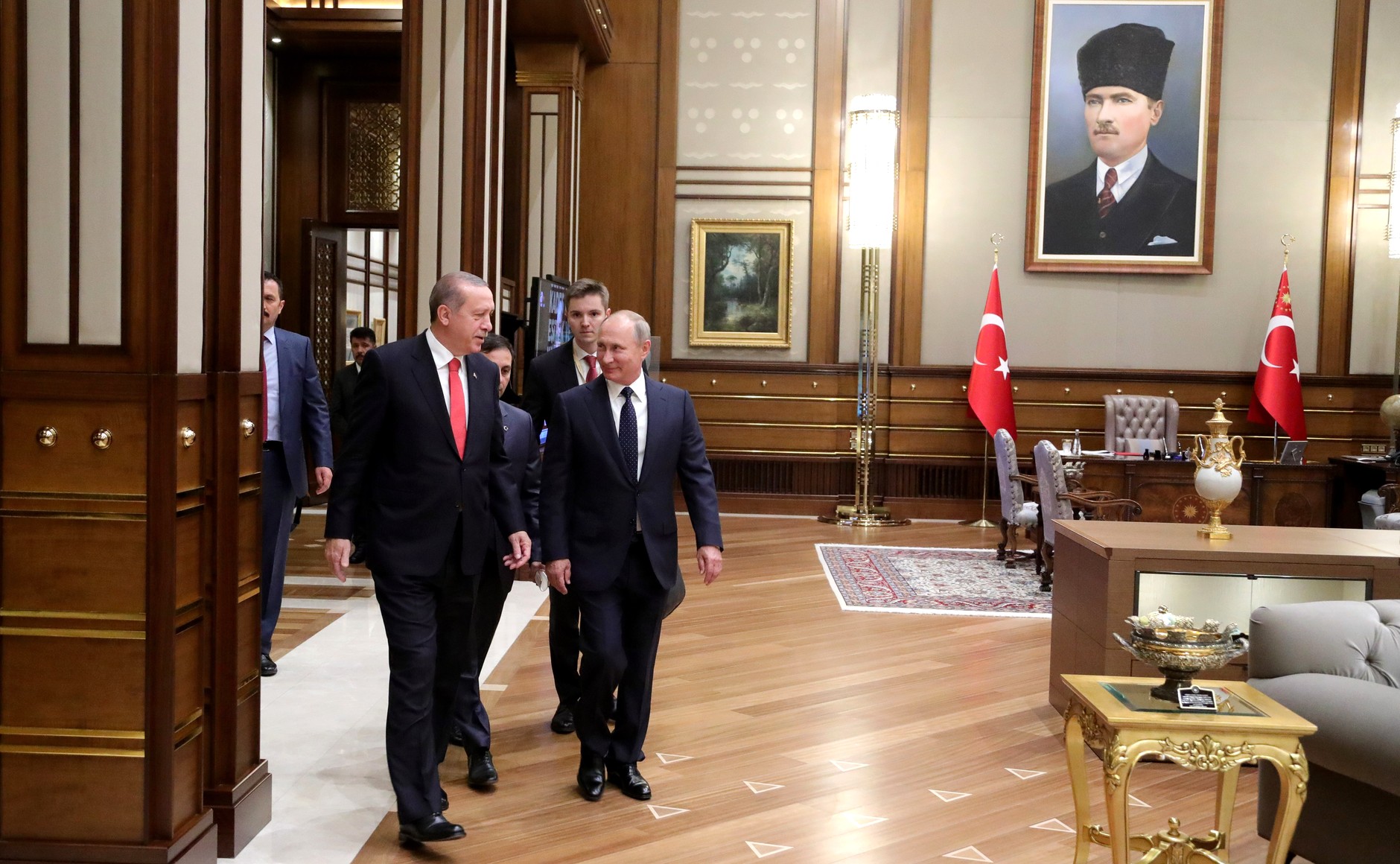
By its eighteenth year of rule, the Justice and Development Party has strayed far from securing the prosperity it promised. Joachim Becker, professor at the University of Economics in Vienna, analyses the current political and economic situation in Turkey.

We have been taught for millennia that muscle and strength are not for women. We were taught to be as small as possible, to take up as little space as possible, to provide as little resistance as possible – we were taught how to become the “weaker sex”.
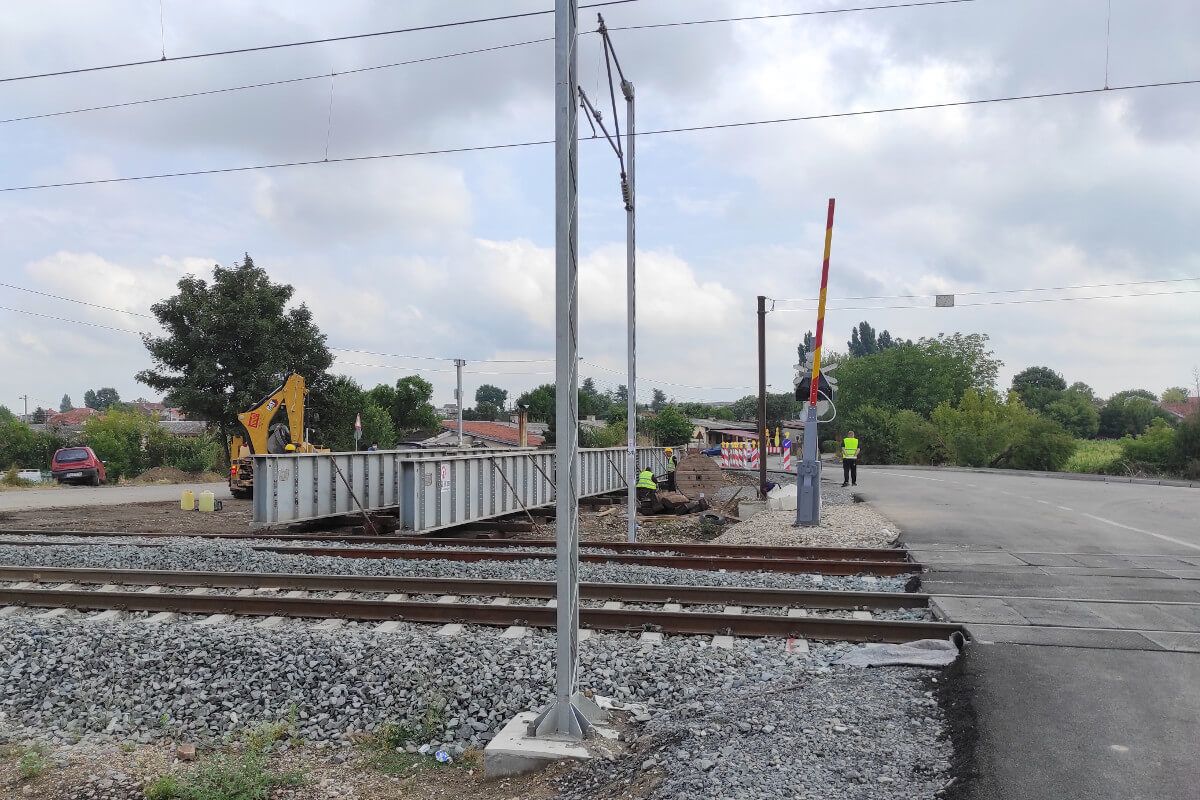
In order to attract foreign investment and improve infrastructure, Serbian authorities are ready to change laws and turn a blind eye to the violations of existing regulations when it comes to foreign companies. Their attitude towards Chinese companies is just one example of this.