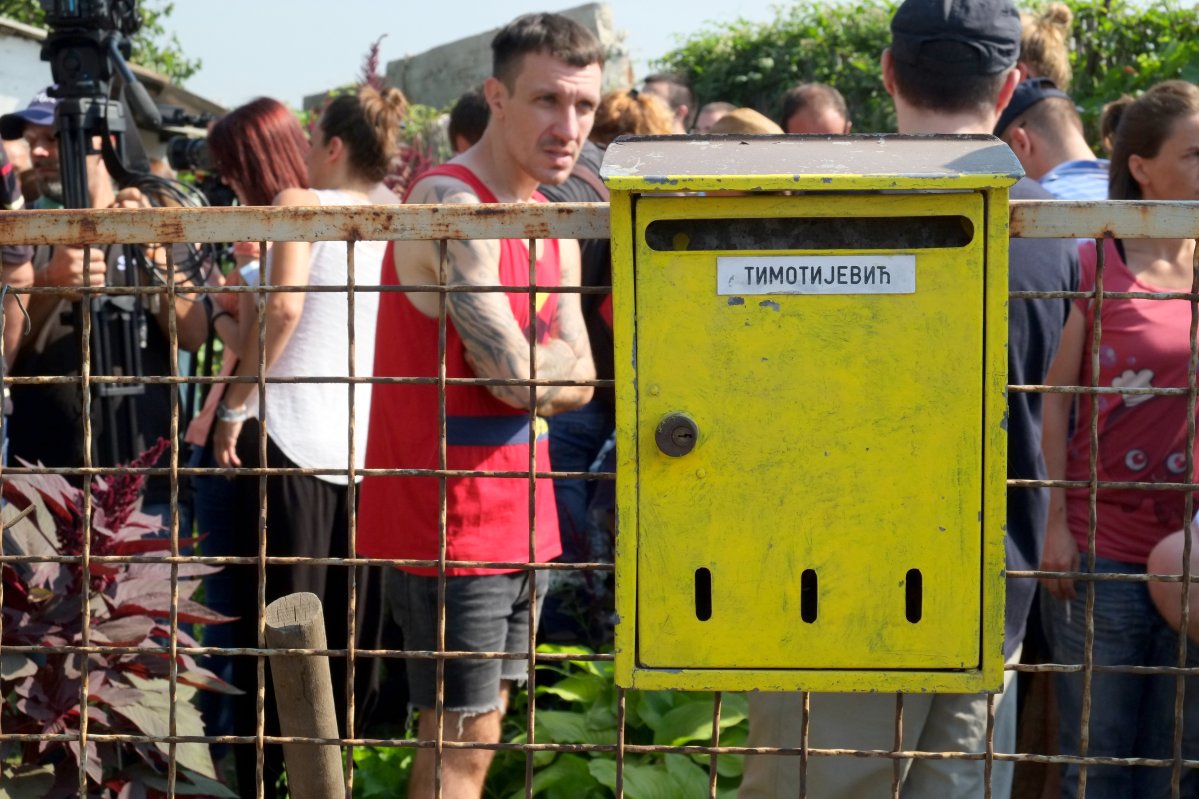
Three months of protests against corruption and state violence in Serbia – the emergence of the largest student movement in Europe
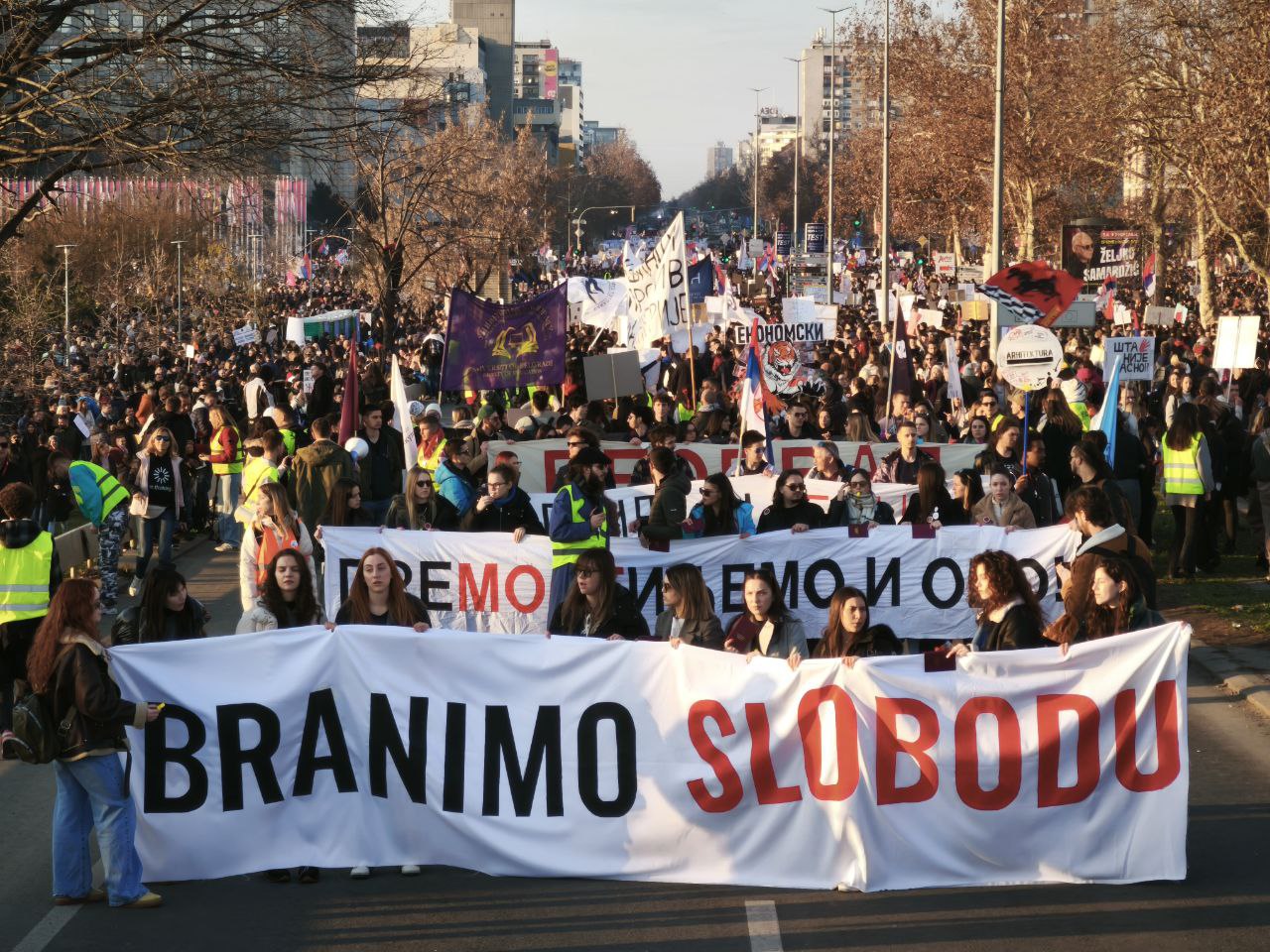
The blockade of three bridges in Novi Sad is one of the largest protest gatherings in Serbia, which has only grown stronger since November 1, 2024. Along with the spread of the protests, the largest student movement in recent European history has also developed. Here’s how we got there.
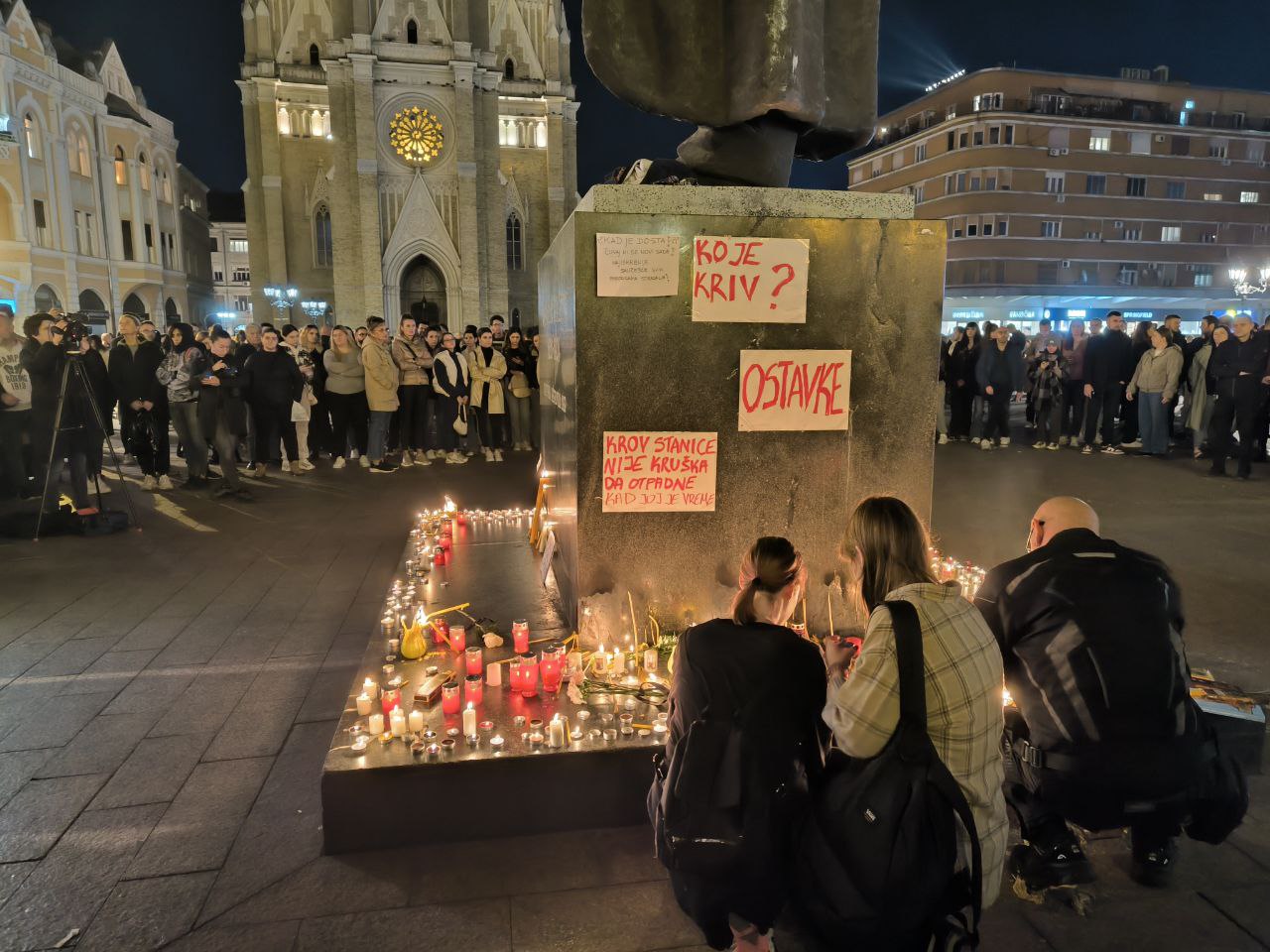
How activists and locals saved a river in Serbia from a hydropower project

The people of the village of Dadince and environmental activists have saved the crystal-clear Rupska River from being completely destroyed by a mini hydroelectric plant. One of the cleanest rivers in Serbia, the Rupska is the source of drinking water for 15,000 people in two municipalities in the south of the country. For the hundred … Read more

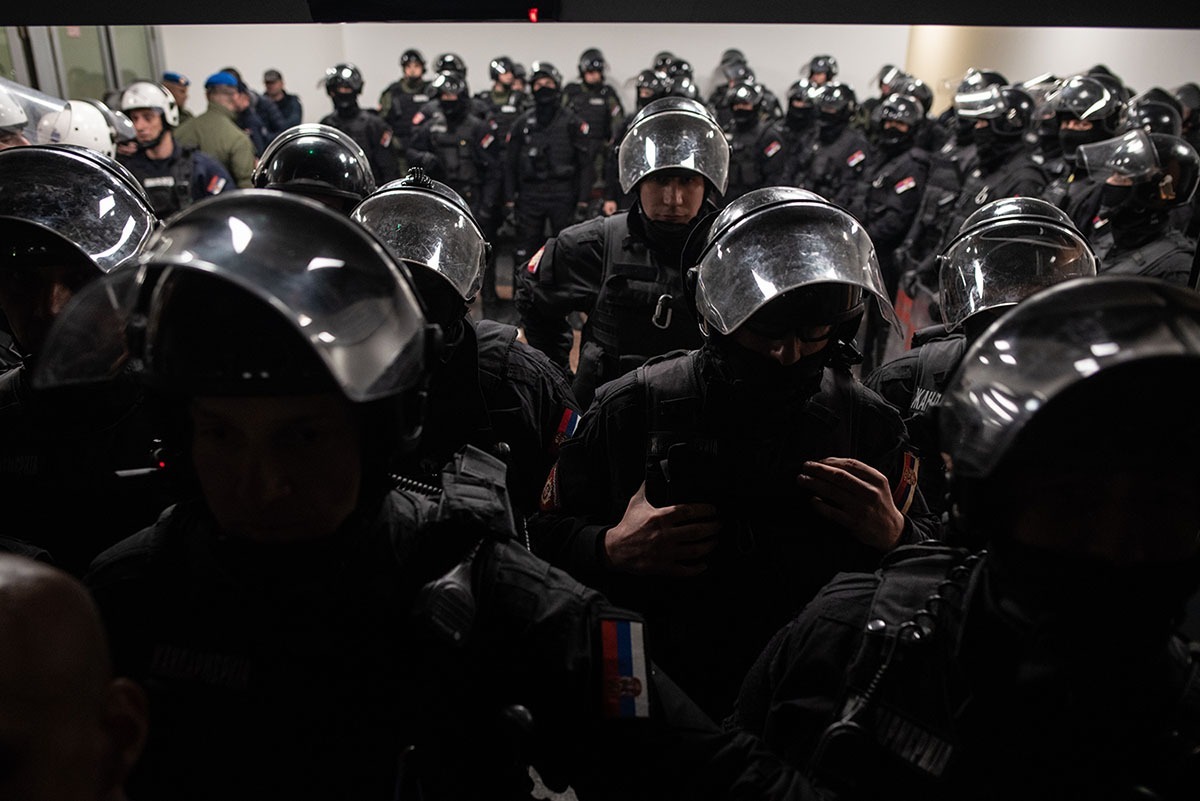
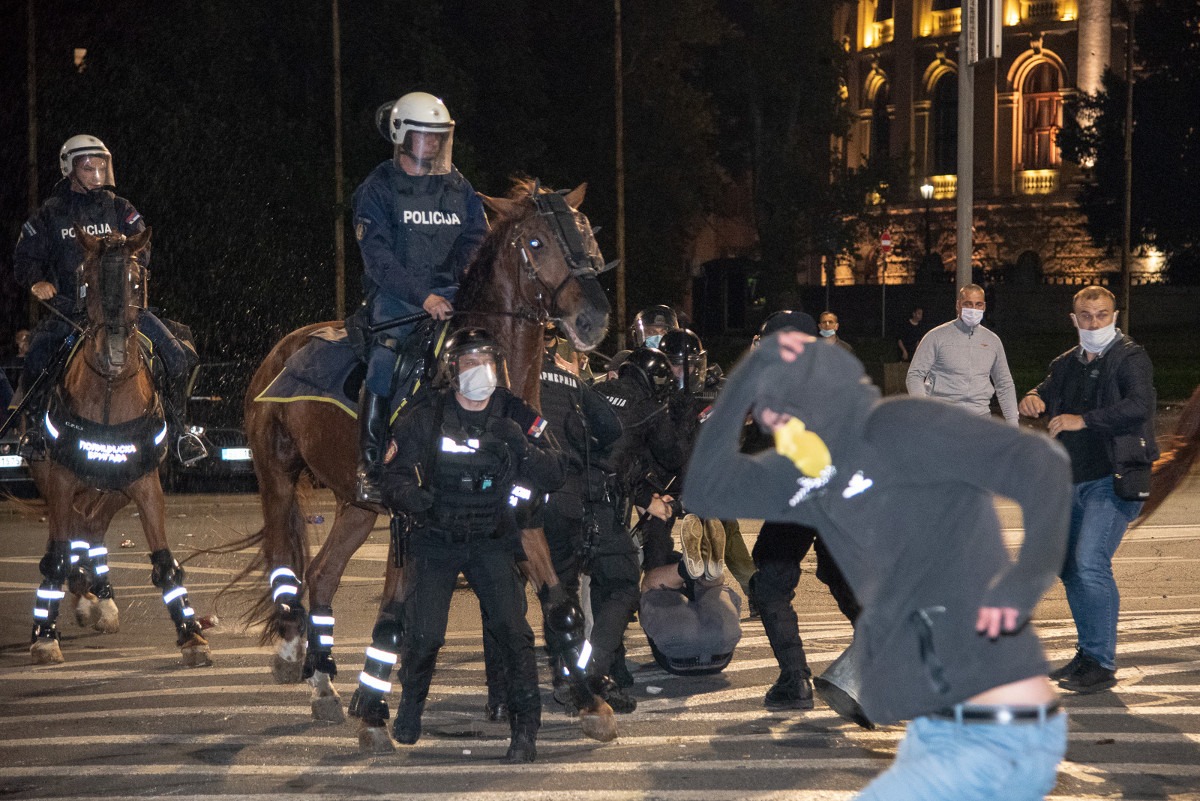
Proposed policing bill introduces biometric surveillance, searches without warrants and use of force without justification

Serbian Police

A new draft bill on internal affairs is due to be presented to the Serbian public by the end of the year. Members of the opposition and representatives of civil society have warned that it is even more alarming than legislation proposed in September 2021, which was withdrawn following an intervention by the Serbian head of state.

Climate Change Loss and Damage to Be Paid by Historical Polluters – But Not All of the Biggest Polluters

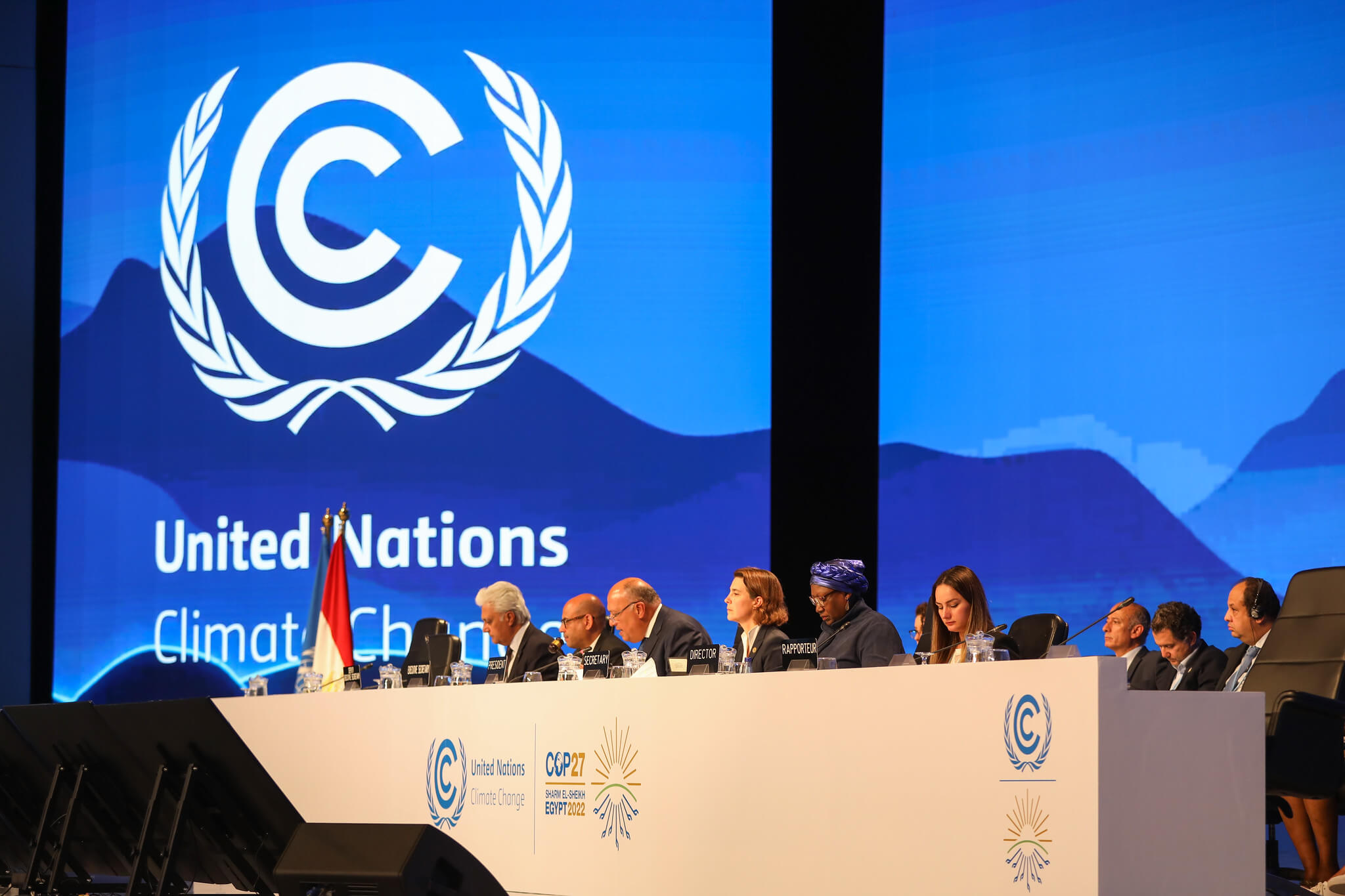
COP27, UN

A historic agreement was reached at the United Nations Climate Change Summit, COP27, with developed countries pledging to establish a funding facility that will help developing countries deal with the impact of global warming. During the negotiations, developing countries relied on the influence of China, which will not, for the time being at least, fund the facility.

Charity or Reparations: How Will Colonial Powers Compensate the Global South for the Consequences of Climate Change?

The key questions at this year’s United Nations COP27 climate change summit are whether developed countries will agree to start compensating poorer countries for the loss and damage they incur as a consequence of climate change and whether they will call it “aid” or reparations.

Rio Tinto in Serbia: privatization of natural resources, obstruction of sustainable development

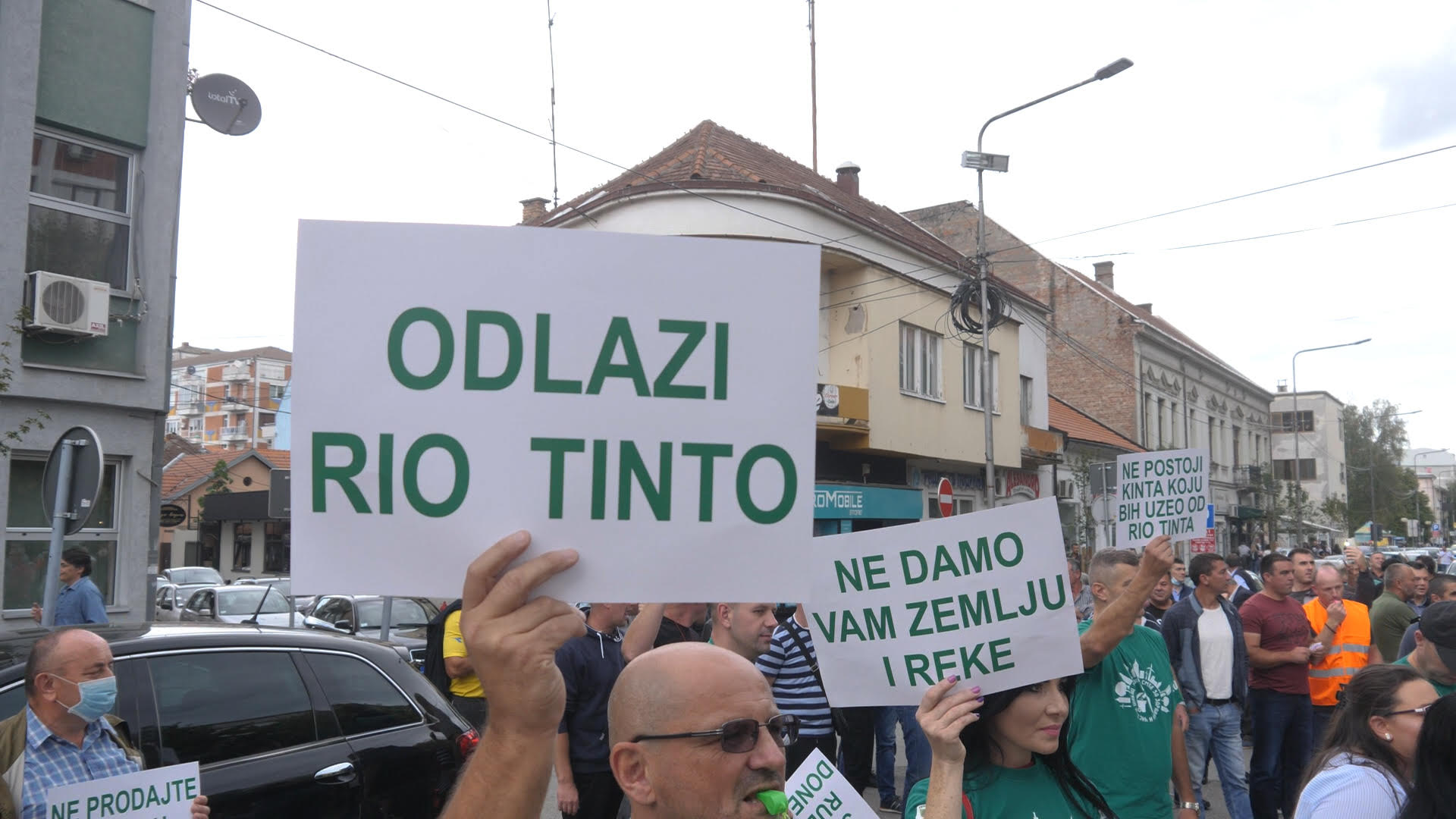
A third protest was held near Loznica city against a lithium mine that the British-Australian company Rio Tinto intends to open in Jadar Basin in Western Serbia. Hundreds of citizens protested on October 27 in Brezjak settlement, in front of the branch office of the second largest mining corporation in the world, which plans to exploit world-class deposits of lithium ore – and, according to experts and activists, destroy everything around it. Their concern is heightened by the company’s unwillingness to inform the public about the project and negotiate its details with the local community, as well as by the examples of Rio Tinto’s destructive actions across the planet.

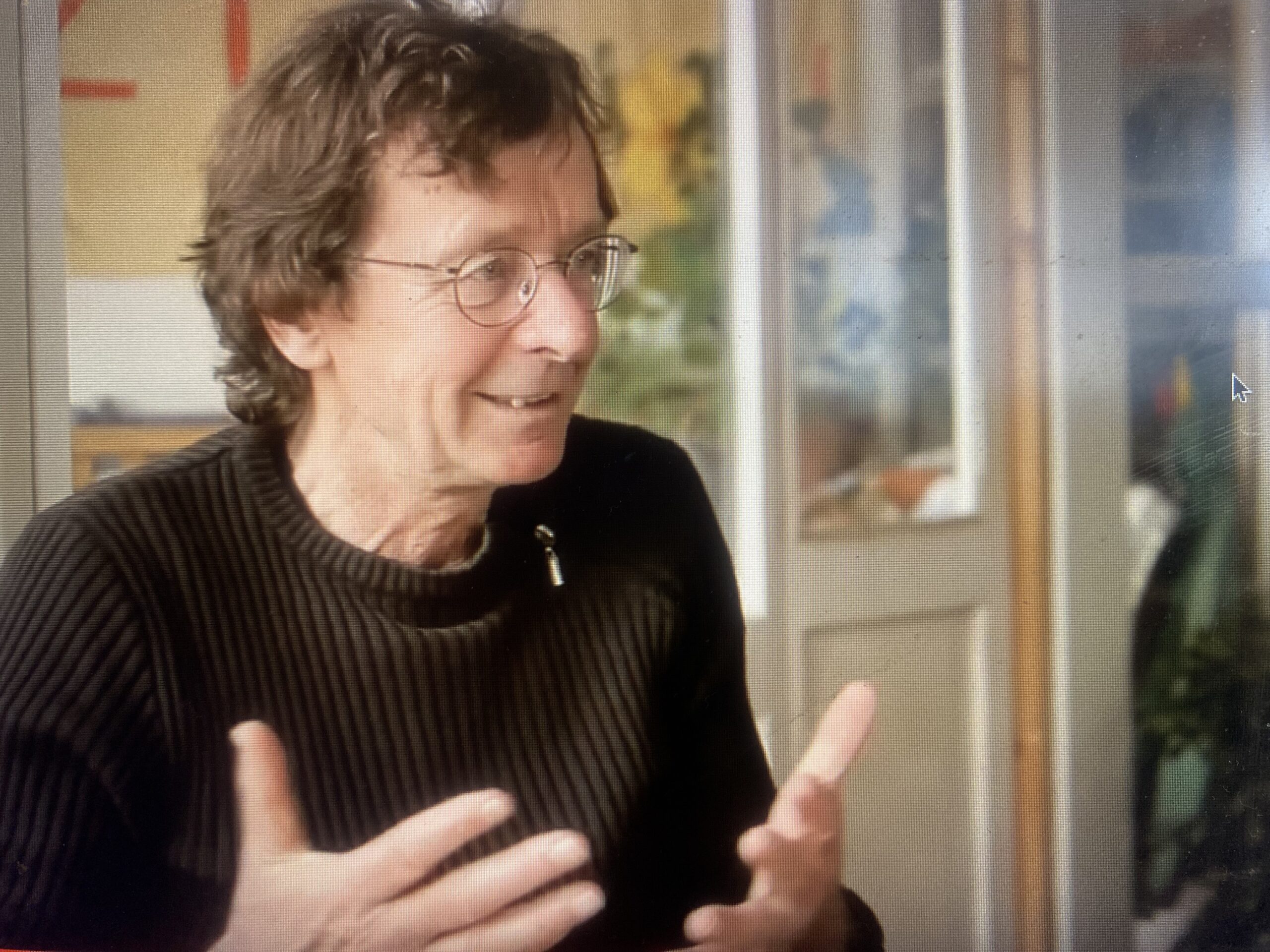
Interview with Ana Méndez de Andés: For strengthening the city’s economic and political democracy

Six years ago a wave of demonstrations broke out throughout Spain. What started as a protest against the widespread political corruption and the lack of “real” democracy soon spread to millions of people challenging the current political and economic order. This movement will have later come to be known as the Indignados, or the 15M movement. The main three slogans of the May 15, that were supported by almost 80% of the population, were: “You call it a democracy – but it’s not”, “It’s not a crisis, it’s a scam”, “We are not merchandise in the hands of the politicians and the bankers.”

Rory Archer: Leftists should not shy away from assessing the defective aspects of the socialist Yugoslav project

Rory Archer is a historian who researches social history of the Balkans in the 20th century and currently works at the School of Slavonic and East European Studies at the University College London. Archer explores the ways in which “ordinary” Yugoslavs interpreted economic, political and cultural tensions in late socialism and reacted to them. Since 2014 he has worked with Goran Musić on a research project titled Between Class and Nation: Working class communities in the eighties in Serbia and Montenegro. In 2015 he completed his PhD in Graz with a dissertation on the (in)affordability of housing among the working class in Belgrade, and in 2016 co-authored the book Social Inequalities and Disaffection in Yugoslavian Socialism.