
The Precarious Life of Students in Serbia
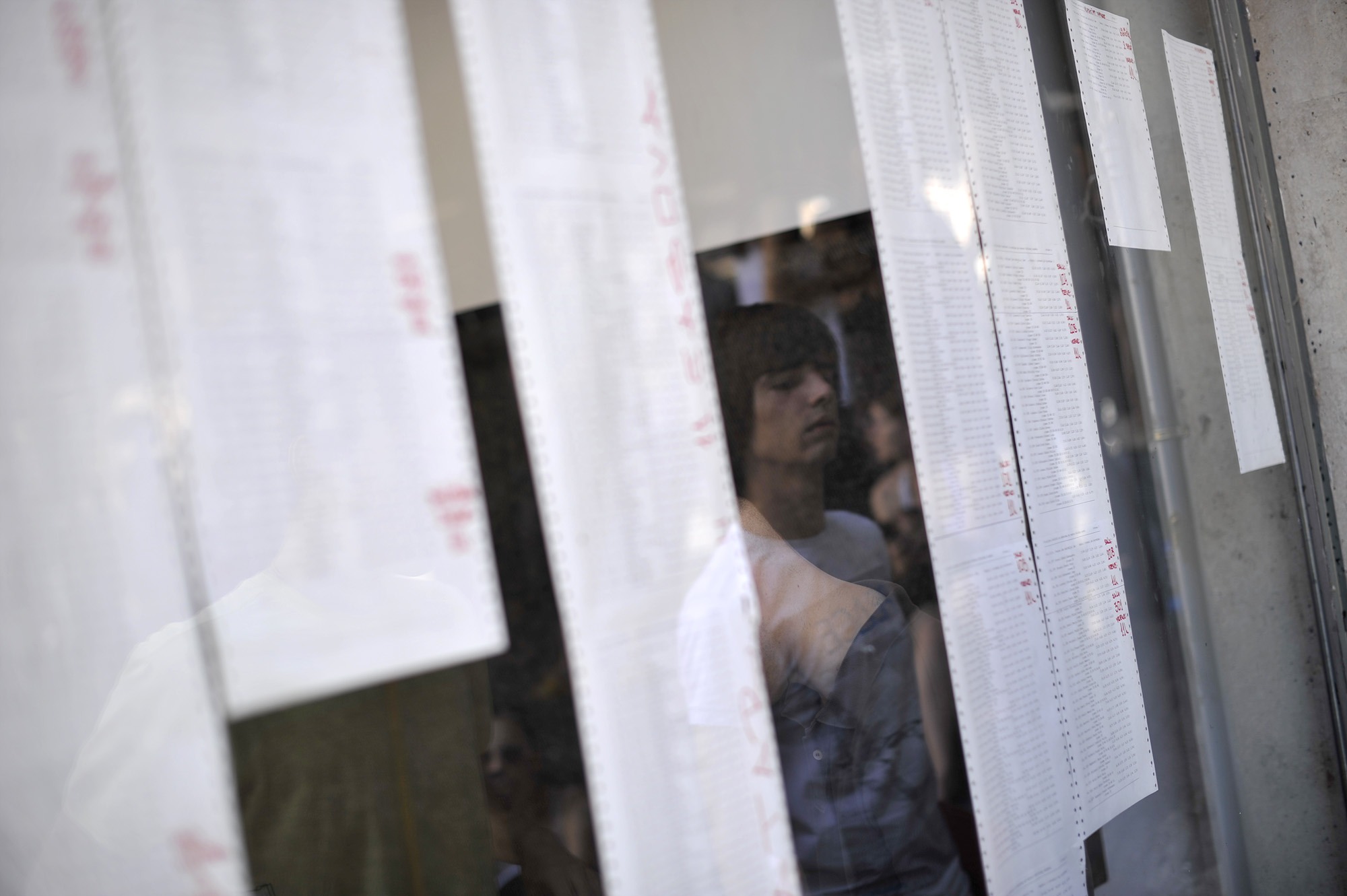
Who can afford education in Belgrade and how do students live? Students of the University of Belgrade answer these questions and present the obstacles they face.
Who can afford education in Belgrade and how do students live? Students of the University of Belgrade answer these questions and present the obstacles they face.

At a press conference, the Independent Trade Union of Teachers of Vojvodina presented illegalities in the calculation of salaries in education.
Serbian Ministry of education, science and technological development published a draft law on dual higher education model (DHE). By doing so, they effectively announced the possibility of future exploitation of undergraduate’s labour in line with the model which has already been implemented in secondary education.
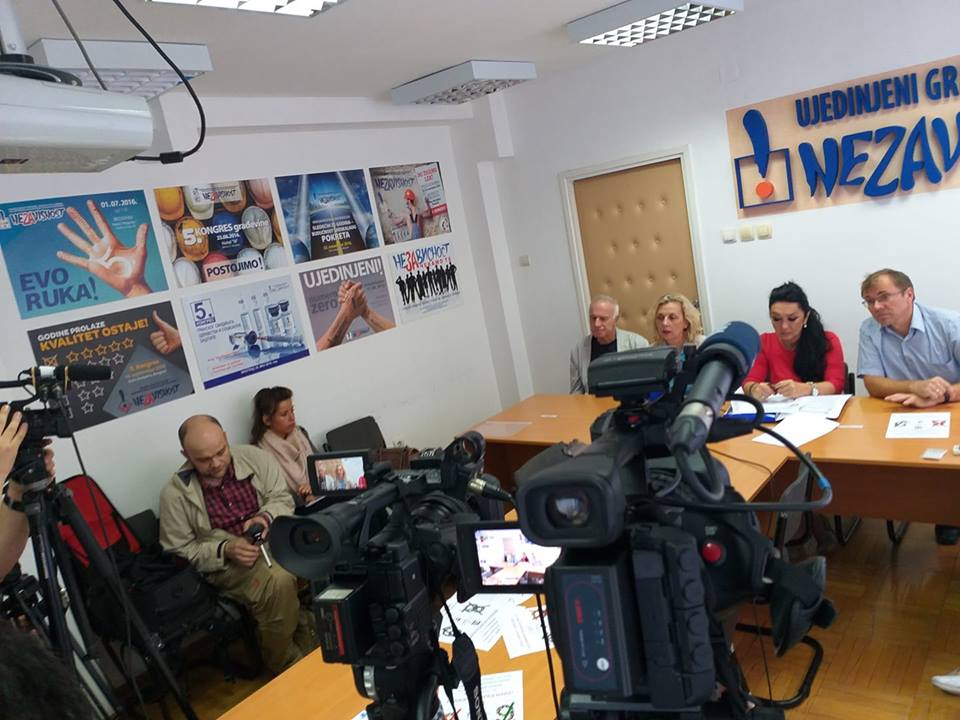
At yesterday’s press conference representatives of education trade unions (the SPRS Union, the GSPRS Nezavisnost, SRPS, SOS) announced a protest motivated by the introduction of a new salary structure in the public sector. The protest named “Justice before money” will be held on the August 31, at noon, in front of the Serbian Ministry of education.

Geox owner Mario Moretti Polegato and the mayor of the city of Vranje in Serbia Slobodan Milenković discussed the possible implementation of a dual education based practice in the Geox factory in Vranje.
Draft Law on Dual Education faces criticism of professionals, trade unions and leftist organizations. This proposed regulation would in effect legalise child labour, make it extremely difficult for students of vocational schools to enroll in higher education institutions, cause additional deterioration of labour rights and generally worsen the position of workers in the labour market. Instead of being provided with quality education, students will be trained for the role of cheap and obedient labour force.

Internships, traineeships and other programmes for acquiring work experience are increasingly becoming a precondition to getting a labour contract. Even though interns are performing roles of workers, in most cases they are not paid for them nor is their employment guaranteed after the programme has ended.