Online platform Learnship withholds pay from a thousand teachers

Learnship, a German corporate language-training provider based in Cologne is refusing to pay October and November wages amounting to over €500,000 for approximately 1,000 teachers. What’s more, employees say that the company is also failing to communicate with teachers about the situation, going as far as shutting down communication channels. The flagrant violation of labor rights has motivated employees to collectively organize, with some seeking out and joining unions.


Who is the worker of the 21st century?

Is the worker of the 21st century even a worker? Or have they become a number, a resource, a benefit user, an identification card? In the private sector the worker is no longer a political subject. They are reduced to a function within a system that teaches them to be lucky to have a job at all. The right to voice discontent? It exists today only as a clause in the employment contract, right next to the one about loyalty to the company.

“These Hands”: Artist Depicts the Workers’ Struggle at Recently Unionized Volkswagen Plant

Last week, a spark caught ablaze at Volkswagen’s Tennessee plant as workers voted to unionize. This victory comes after months of agitation by United Auto Worker (UAW) organizers, as well as retaliatory attacks on such activity by Volkswagen. A local artist, Tabitha Arnold, created a tapestry that visually shows how the workers fanned the flame and ignited a fire within the plant.

Safety and Health at Work for Platform Workers

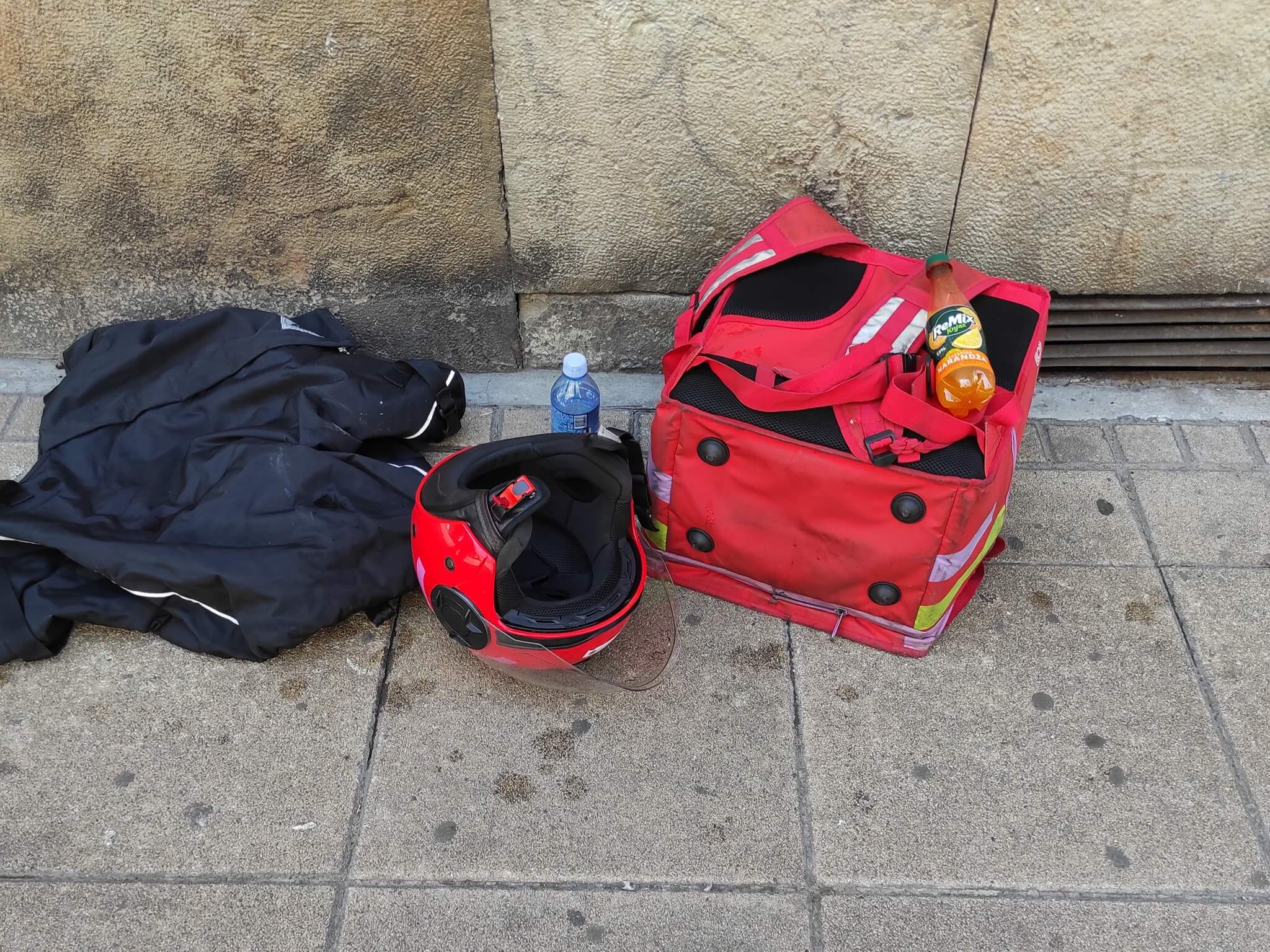
No institution in Serbia keeps records of how many delivery workers are injured at work, as stated in the podcast “Delivery Couriers and Traffic Safety – The Price of Risk.” Nevertheless, it’s evident from media headlines, which are significantly fewer than the actual number of such incidents, that delivery workers often face accidents and mishaps while on duty.

Wolt discriminates against and mistreats several categories of workers simultaneously, according to Reljanović

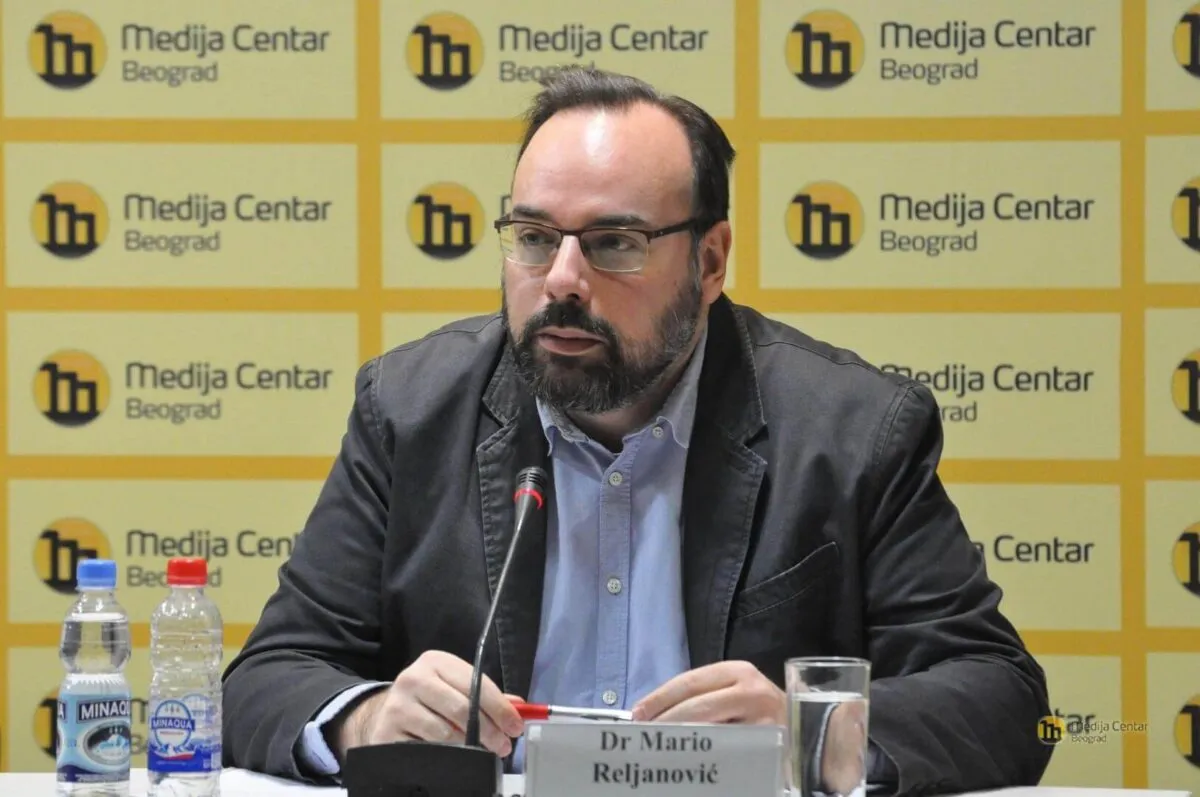
Mario Reljanović, an expert in labor law, with no uncertainty tells Mašina that Wolt is the de-facto employer for its couriers. By limiting the ways some couriers can use the app, they are discriminating against foreign workers and lowering the potential earnings of all of its couriers.

Wolt introduced discriminatory rules for foreign workers in Serbia

Based on Mašina’s findings, part of the foreign workers who make deliveries through the Wolt app are denied the opportunity to see their actual earnings and to choose the deliveries they will work on. In this way, these workers are left with fixed wages, previously agreed on with the intermediary agency, which puts them in an unequal position compared to local delivery workers.

Glovo fined its couriers for “abusing” the application?

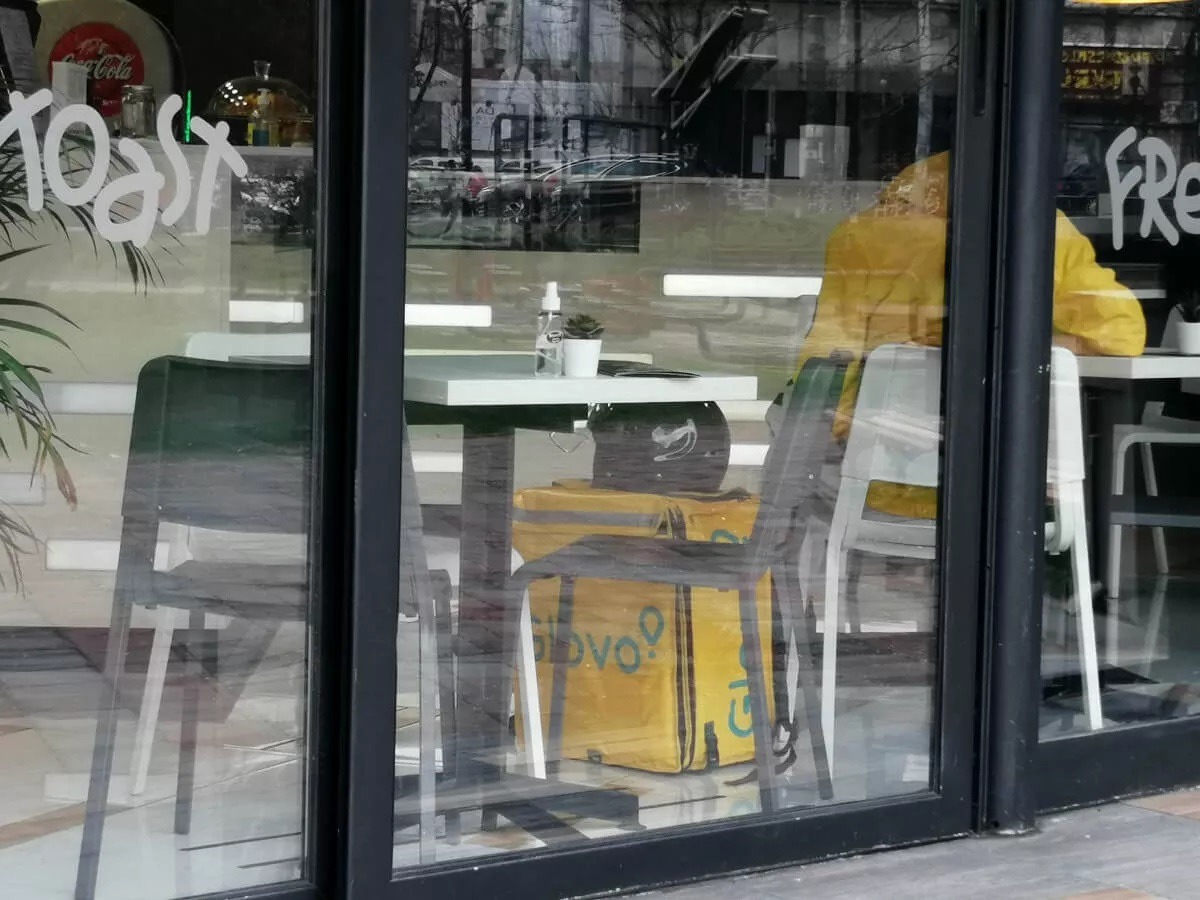
Last week, the “challenge” was terminated for part of the couriers people who work through the Glovo application. As a result, these workers are being deprived of realizing part of their earnings, which are based on completing a certain number of deliveries. Glovo claims it fired these workers because they “misused” the application – but what constitutes misuse and according to whom?

Care workers and intermediaries from the Balkans: the precarity of female work fosters a lack of solidarity

The precarity of female care workers from the Balkan countries in the EU is revealed through the relationship with intermediaries who find their posts but also take a significant percentage of their earnings through fees. This interdependence is not only economic; it is a question of class and female solidarity in a contemporary context.

“A six-hour workday is optimal”: psychologist Sarita Bradaš talks about shorter workweeks

Two centuries have passed since it became clear that shorter working hours make workers happier and more satisfied and reduce injuries at work. Today in Serbia, we are far from the proclaimed eight-hour workday, but that shouldn’t stop us from debating contemporary trends of shortening of workweek, which we talked about with psychologist Sarita Bradaš.

Croatia: the first union of workers in non-profit organizations in the region formed

The SKUPA trade union will fight for labour rights and better working conditions of those engaged in associations, trade unions, private and non-governmental foundations, non-profit cooperatives and political parties. According to Sandra Kasunić, one of the founders of the union and a member of its board, the idea to establish such a union was developed … Read more

Working from home: supervision, control and the need to protect workers’ privacy

The number of people working from home increased during the pandemic. Employers have quickly resorted to modern tools for monitoring and supervising workers, which creates the need for legal regulation and clear moves by unions to protect the rights of workers working from home.