
What will the law on seasonal work bring to women who are employed to clean, tidy up and care for children and the elderly?
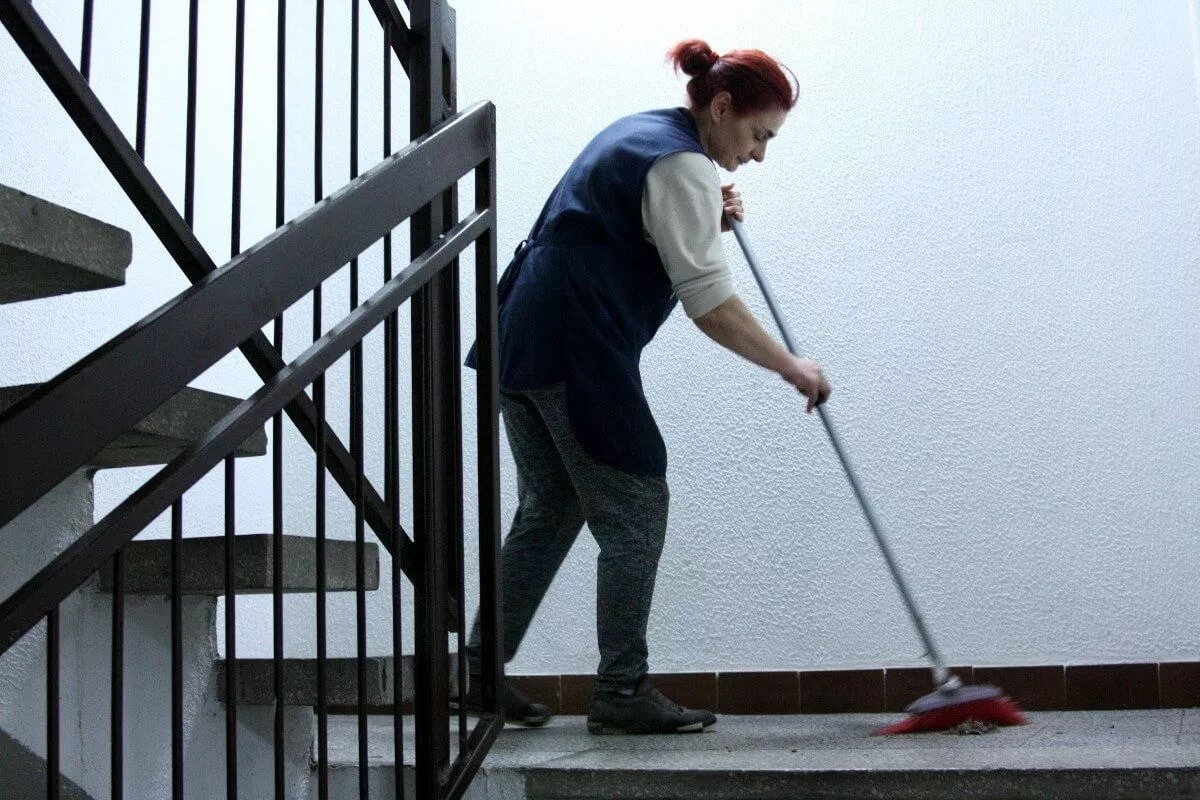
“Part time workers will be equal in disenfranchisement and exploitation of their work.”
“Part time workers will be equal in disenfranchisement and exploitation of their work.”
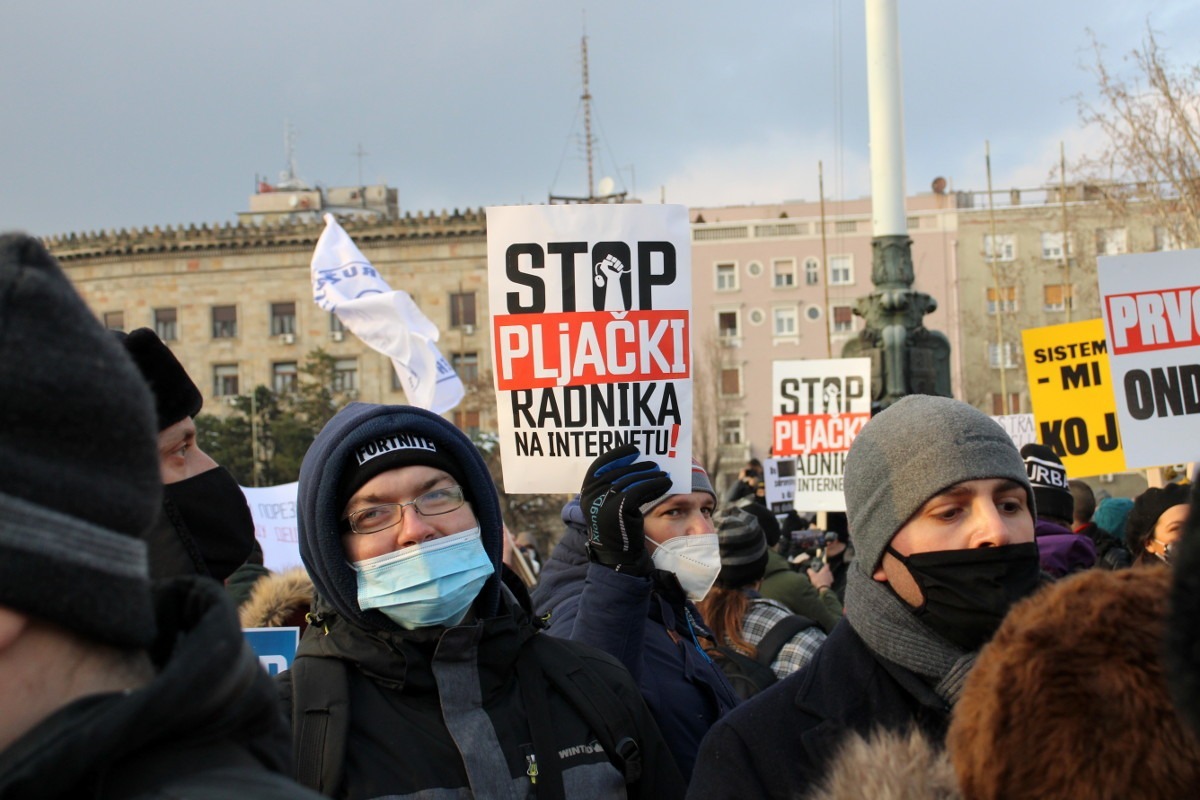
Online workers held a protest on Saturday in front of the National Assembly of Serbia. The authorities accepted invitation to negotiations, stated Miran Pogačar, president of the Association of Internet Workers (URI). Members of URI added that this is a small victory and that they will continue to fight.

How much do we Eastern Europeans know about each other? What kind of information can we acquire about each others’ local context? Where is this information produced, in what language and based on what political views and underlying ideologies?

Europe’s automobile manufacturers will be receiving their tires from Zrenjanin via the new Silk Road. Meanwhile, the Republic of Serbia will pay for its place in the Chinese “Belt and Road” initiative by providing subsidies, natural resources and by adjusting its legislation to the needs of corporations.
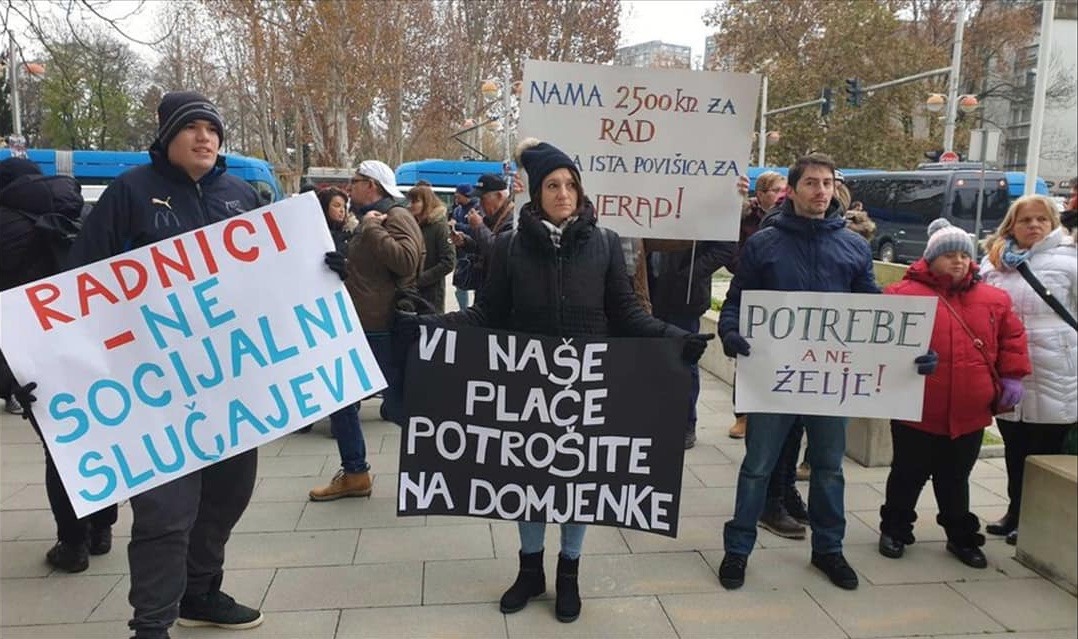
Striking similarities were revealed among ex-Yugoslav republics during this pandemic: the burden of the crisis was placed on the workers, who, although fragmented, organized resistance all across their shared former homeland, while at the same time facing the double threat of infection and possible termination.

The political concoction of destroying public healthcare and bad climate policies is deadly. Organizing workers in the public sector and connecting them to social and green struggles is key to preserving health and public healthcare system.
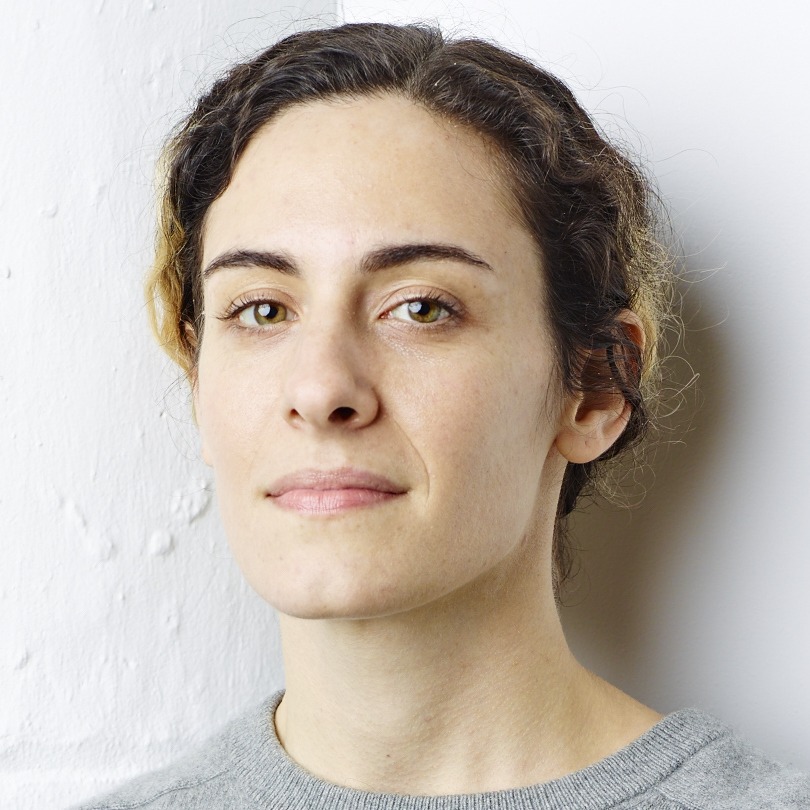
Sarah Leonard is a journalist and editor of several left-leaning magazines and online magazines, which are becoming more and more common in the United States. Together with Bhaskar Sunkara, she edited a collection of essays entitled: “The Future We Want: Radical Ideas for the New Century”. We met Sarah in Belgrade last year on her journey through Southeast Europe, and we renewed the conversation during the past few months marked by the coronavirus pandemic.
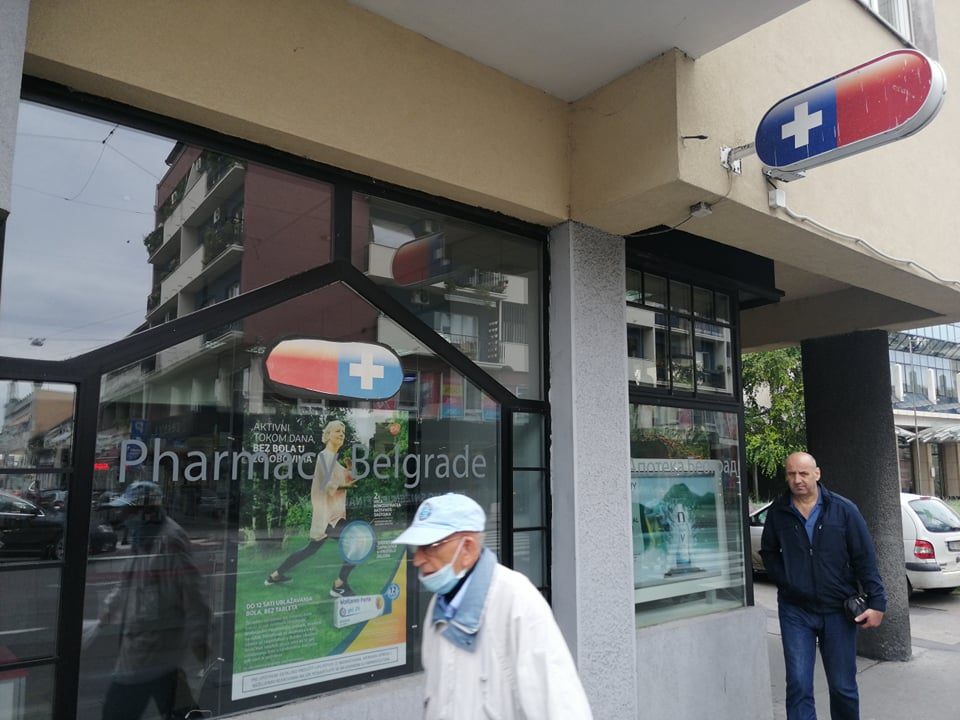
The Confederation of Autonomous Trade Unions of Belgrade opposes the privatization of the Pharmacy “Belgrade”. The trade union believes that this pharmacy institution, whose founder is the city of Belgrade, must remain a part of the public health system and a guarantee of adequate supply of medicines to the citizens.
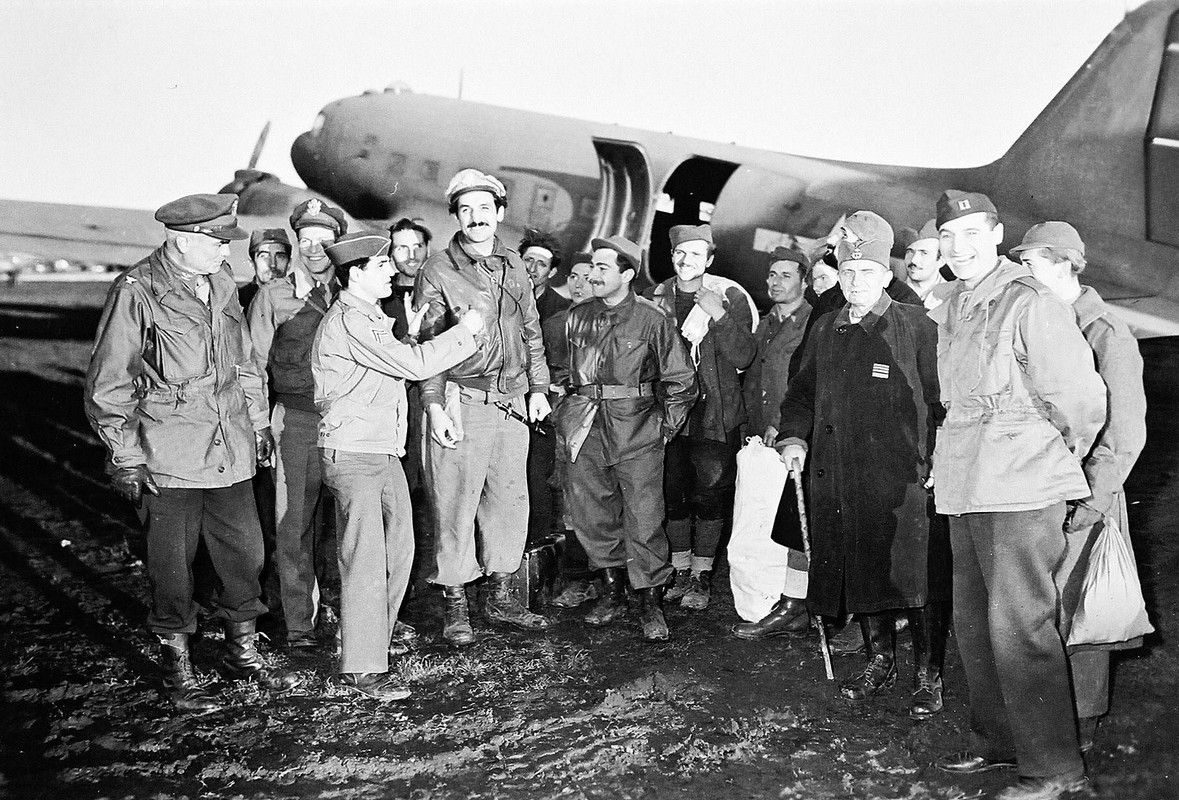
While the Serbian Government continues to postpone its opening, lavishly financing the construction of the Pranjani Memorial Complex (near Gornji Milanovac) – dedicated to “the greatest rescue of allies” and “the Serbian-American friendship” during the Second World War – there’s just enough time to ask where lies the truth.
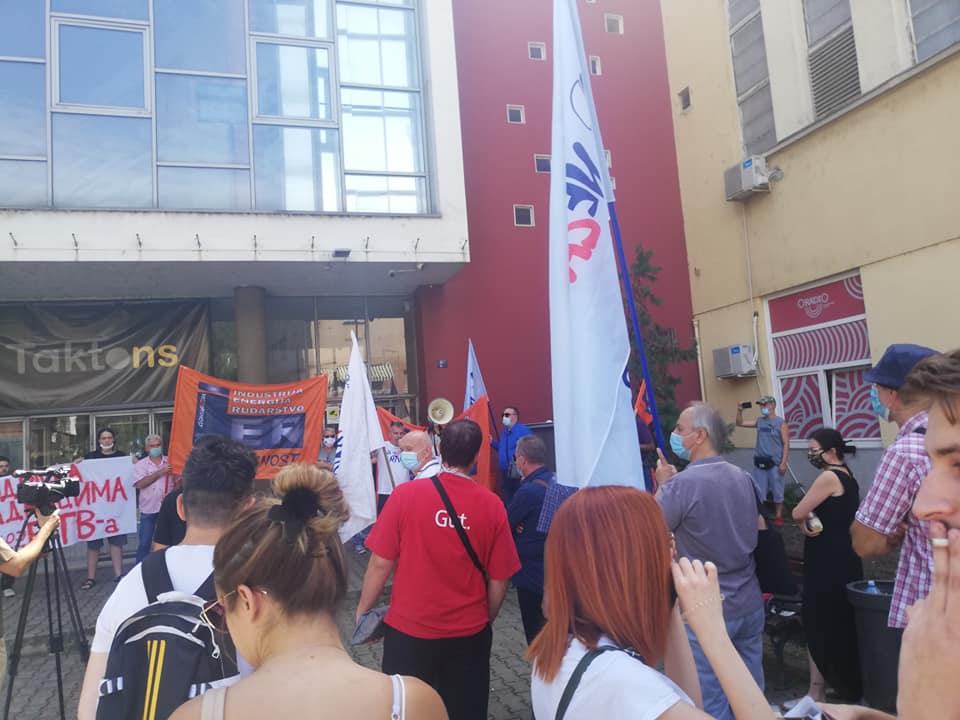
A protest against the announced dismissal of 200 workers of the Radio-Television of Vojvodina, who have been hired through an employment agency, was held today at noon in front of Studio M in Novi Sad.
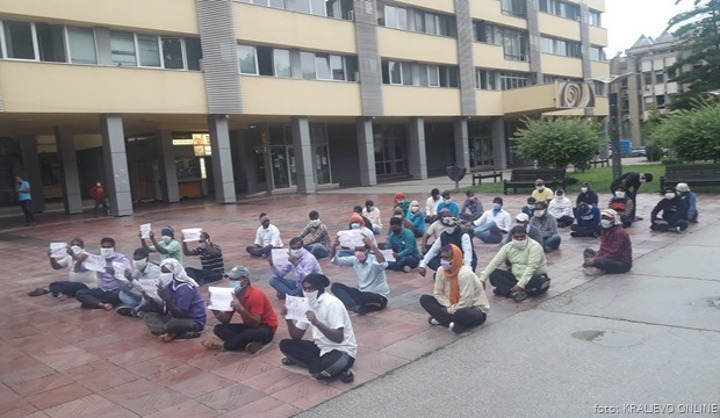
Construction workers from India say that they haven’t received salaries for several months, that they are hungry and that they want to return to India, writes Kraljevo online. Some of them held messages such as: “No food, no water” and “Company not given proper food from last 15 days”. The City Administration in Kraljevo confirmed … Read more
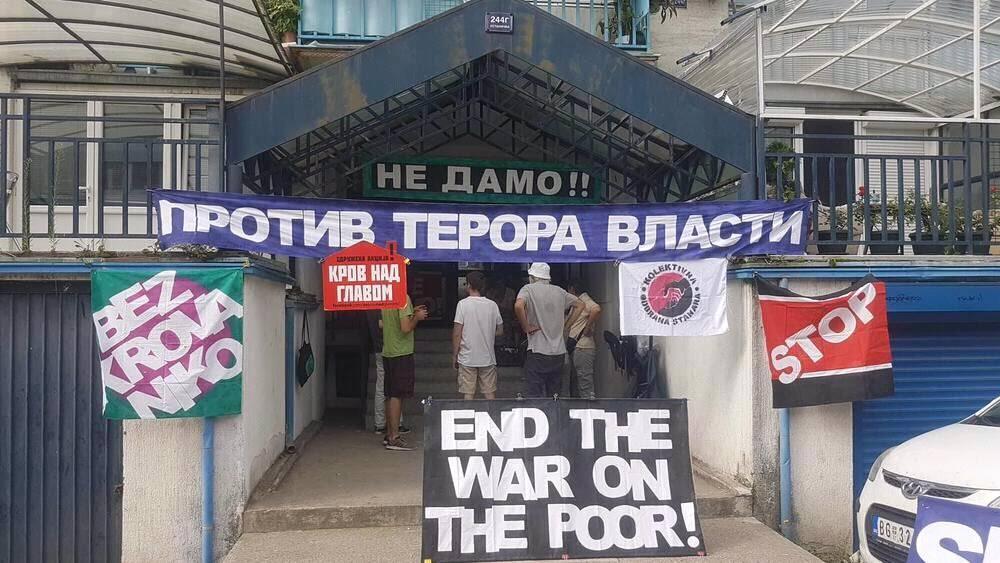
Solidarity is a tool of defence against systemic repression. Law on enforcement and security interest is just another name for criminalisation of solidarity.

As the coronavirus epidemic once again accelerates in Serbia a number of questions emerge, and the media and public focus once again on healthcare workers. What conditions are their working under in these (new) circumstances?
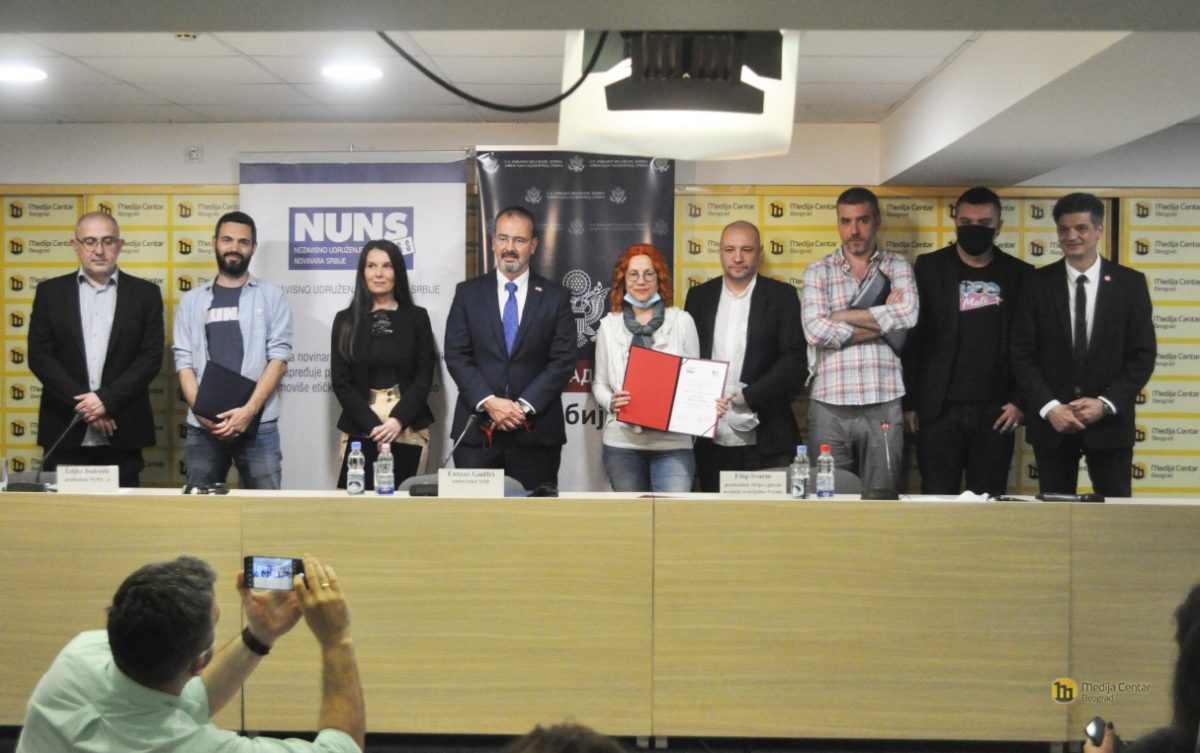
Mašina was awarded a special plaque by the Independent Journalists’ Association of Serbia (NUNS) “for an innovative approach to investigative journalism and coverage of the topic of workers’ rights in Serbia”, as it was said at the ceremony. The plaque was also awarded to the editorial board of Južne vesti, while the awards for investigative journalism were given to colleagues: Adam Santovac, Aleksandar Đorđević, Jelena Veljković and Vuk Cvijić.

Many organizations and arts associations belonging to the cultural sector have recently appealed to the Ministry of Culture and Information of the Republic of Serbia, the Belgrade City Secretariat of Culture and other relevant institutions, as well as to the expert community, requesting urgent adoption of concrete measures of support for artists, cultural workers and the self-employed sector in culture. They face economic hardship caused by the state of emergency in Serbia, which was declared due to the corona virus pandemic.
Aware that their services are needed during the outbreak of coronavirus, the Glovo App delivery workers keep driving. They ask no dedication award from the company, but demand to be fairly paid and that their wages return to their January levels – to that end they have started organizing.
The introduction of state of emergency in Serbia exposed all the difficulties of modern motherhood.

In the year 2019, declared by the Government of Serbia to be the year of occupational safety and health, more employees died than in 2018, when as many as 53 workers lost their lives. Concurrently, the Ministry of Labour for the first time refused to provide the author of this piece with information concerning the employers who hired the passed away workers, as well as the information regarding the possible violations of labour regulations, although withholding such information contradicts the law on Access to Information of Public Importance, the former Commissioner Rodoljub Šabić pointed out for Mašina.