
On Labour Day union will protest in front of Yura factory in Leskovac

This May 1, the Confederation of Autonomous Trade Unions of Serbia will organize a protest in front of the Yura factory in Leskovac.
This May 1, the Confederation of Autonomous Trade Unions of Serbia will organize a protest in front of the Yura factory in Leskovac.
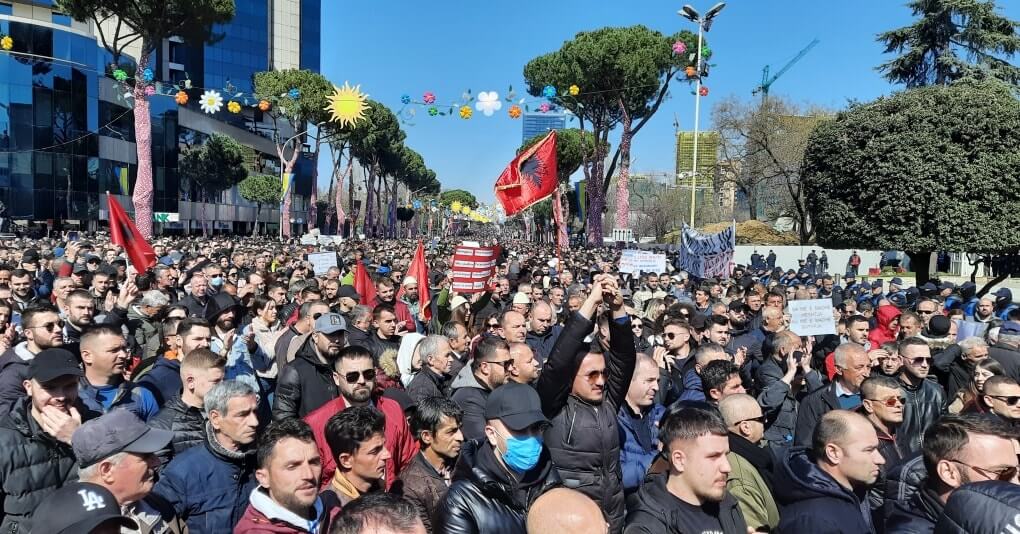
Thousands of people from all over Albania protested over the weekend against rising prices. Our journalists talked to Redi Muçi, a member of “Organizata Politike” activist organisation.

A rise in prices of basic foodstuffs has been noticed by everyone in recent months, but inflation is hardest on the poor, who spend most of their income on food.

The SKUPA trade union will fight for labour rights and better working conditions of those engaged in associations, trade unions, private and non-governmental foundations, non-profit cooperatives and political parties. According to Sandra Kasunić, one of the founders of the union and a member of its board, the idea to establish such a union was developed … Read more

The number of people working from home increased during the pandemic. Employers have quickly resorted to modern tools for monitoring and supervising workers, which creates the need for legal regulation and clear moves by unions to protect the rights of workers working from home.

The Association of Fine Artists of Serbia (ULUS) and the Association of Fine Artists of Vojvodina (SULUV) are currently forming a Committee for Cooperation, with the aim to develop price lists for fair fees in the field of fine arts, establish the principles of fair practice and contribute to a better socio-economic position of artists.
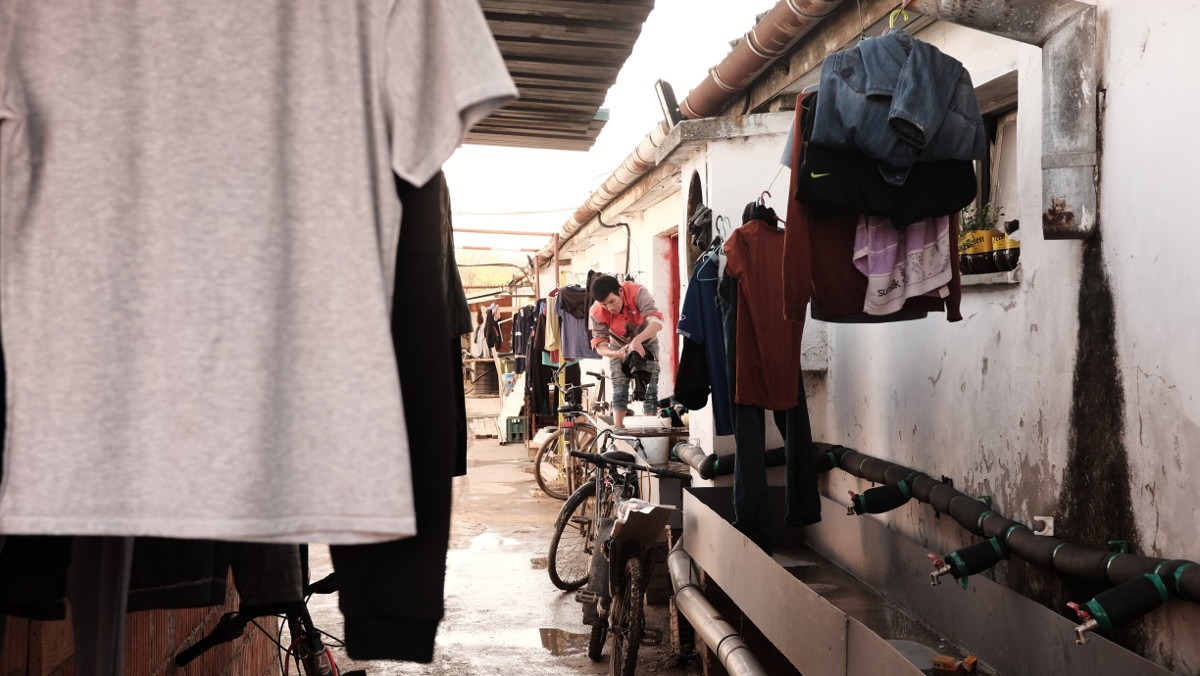
Representatives of the Building and Wood Workers International believe that the Government of Serbia should do much more to protect the human and workers’ rights of foreign workers in Serbia.

The economic success that the Government has been bragging about recently shouldn’t be presented merely by statistics: the economy is actually made up of people whose lives are in danger.
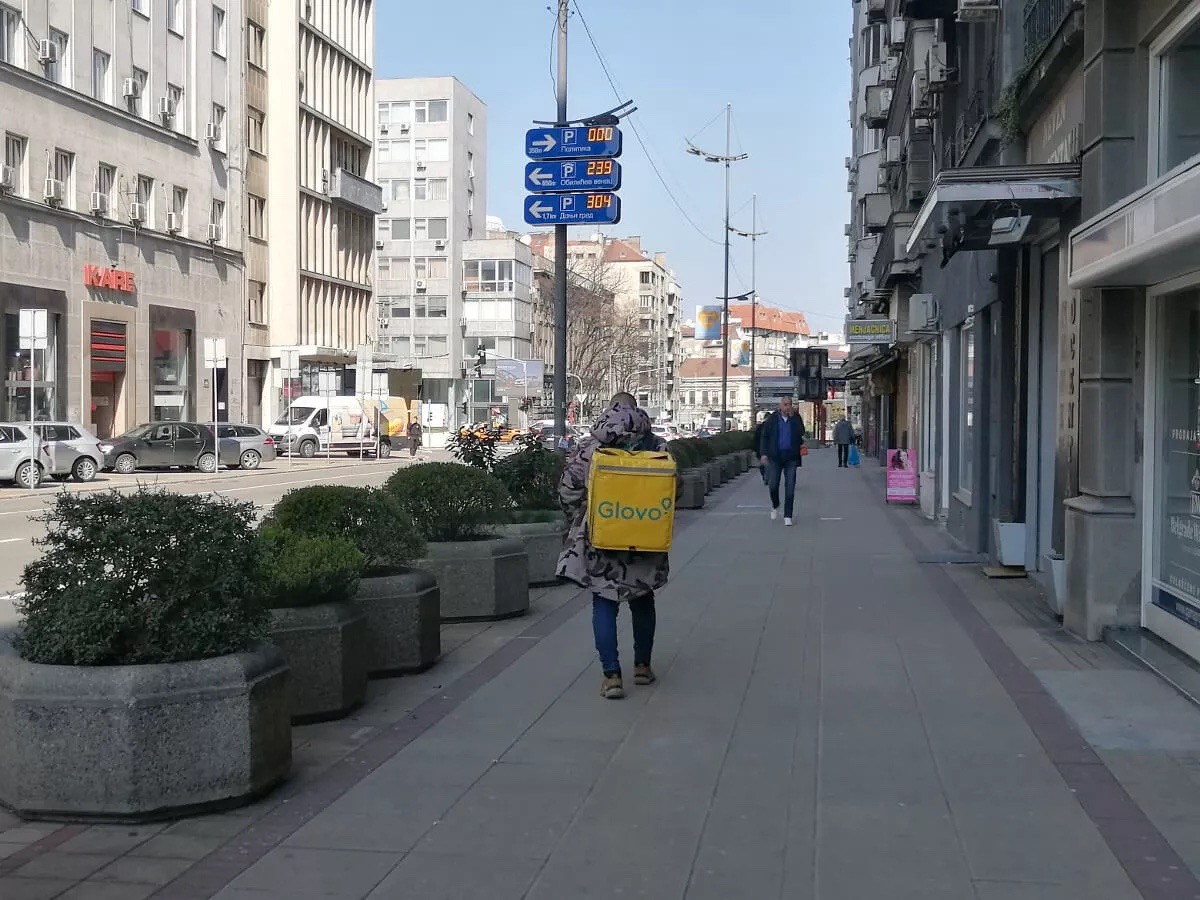
ELMO invited researchers, journalists, activists and artists to discuss reporting and researching gig work in the CEE region as well as organizing in this emerging field.
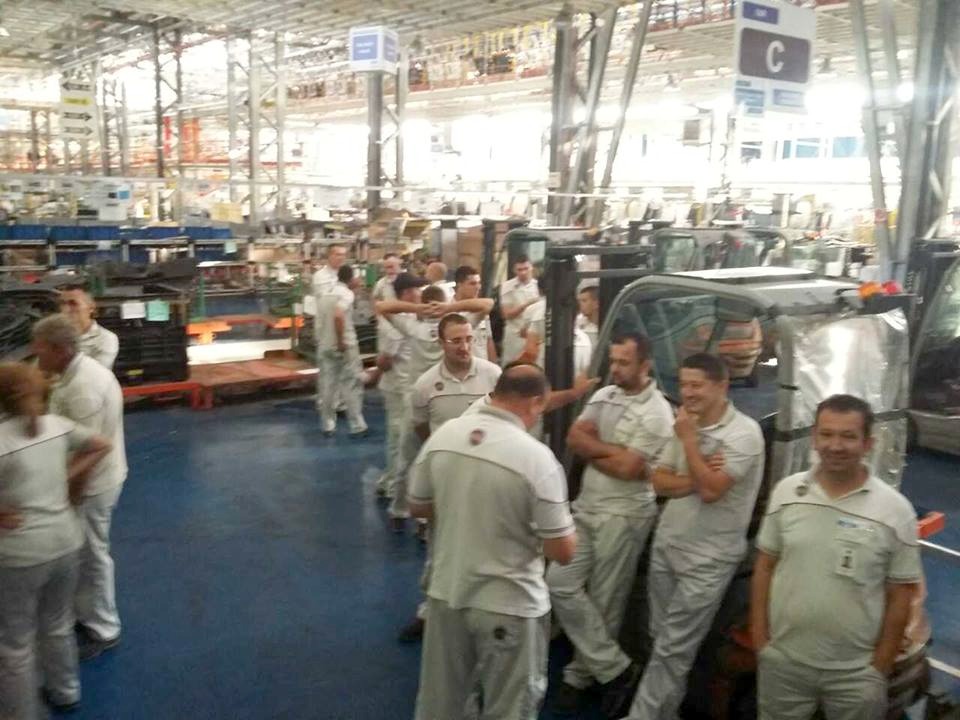
“There has long been no dignified work or dignified life for the largest number of workers in Serbia.”

A panel discussion organized by the Transnational Institute will address aspects of Chinese investments in Eastern Europe which are not grasped by mainstream accounts.

Workers engaged at Uber, Bolt, Glovo and similar platforms formed a trade union to fight for the rights guaranteed by the Labour Law of the Republic of Croatia.

While we are waiting for the decision on the amount of the minimum labour price for the next year, let’s remind ourselves what the actual value of minimum wage is and what it should really represent.
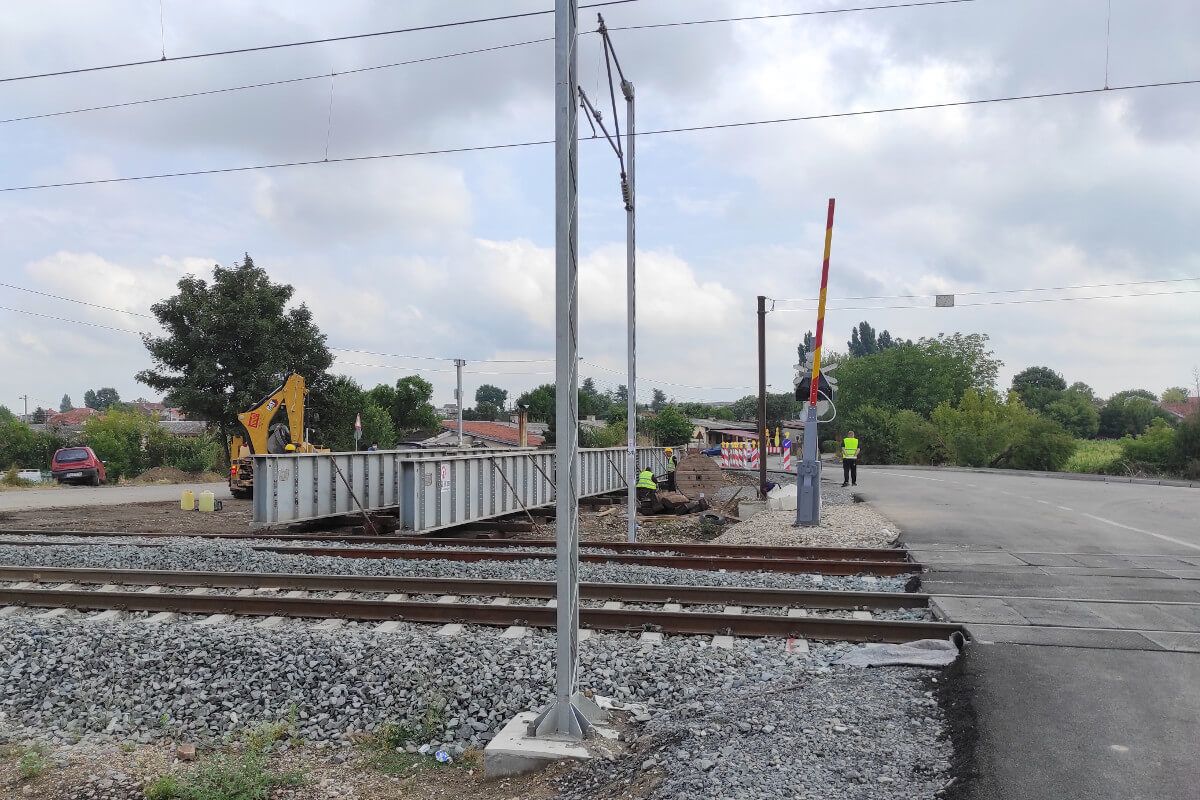
In order to attract foreign investment and improve infrastructure, Serbian authorities are ready to change laws and turn a blind eye to the violations of existing regulations when it comes to foreign companies. Their attitude towards Chinese companies is just one example of this.
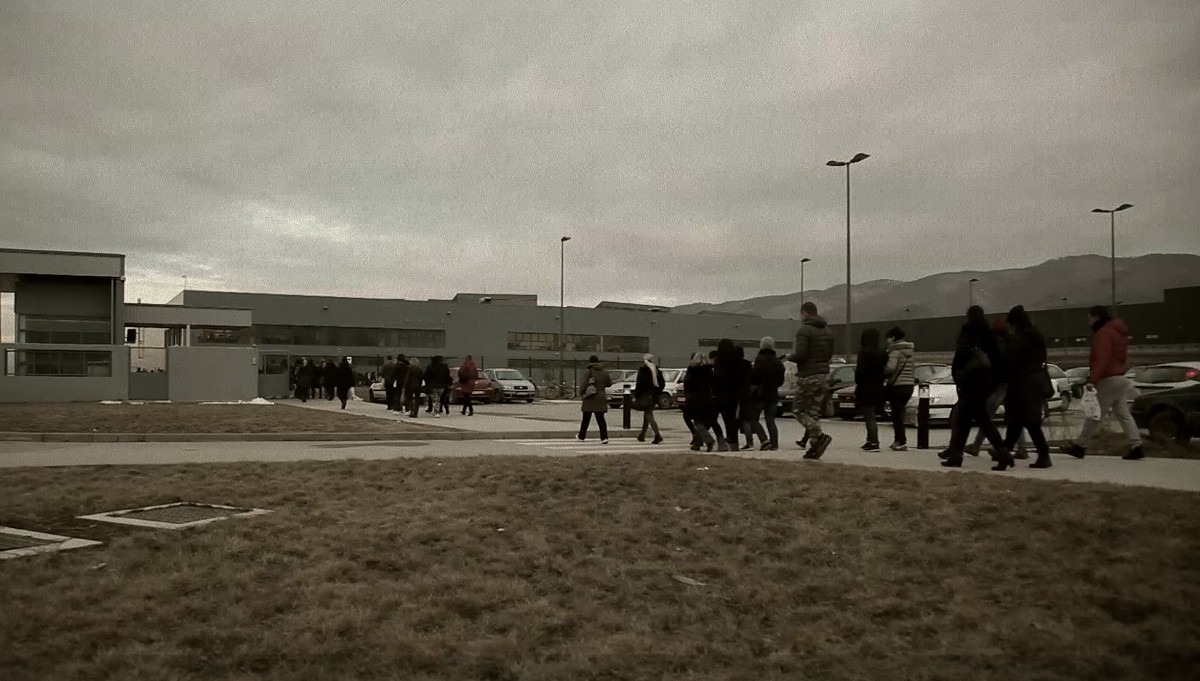
This morning, roughly 150 workers of the company protested to express dissatisfaction with their dismissals and the general attitude the management expressed towards them when Geox decided to close its plants in Vranje.

Residents of the village of Gornja Nedeljica, near Loznica, suspect that Rio Tinto secretly started excavations, which led to changes in the lake’s colour. Company officials deny the allegations.

The Italian company Geox is ready to leave the city of Vranje after operating five years in Serbia and sack 1,200 people, writes Danas.

Is lithium indispensable for green transition or could it simply stay in the ground?
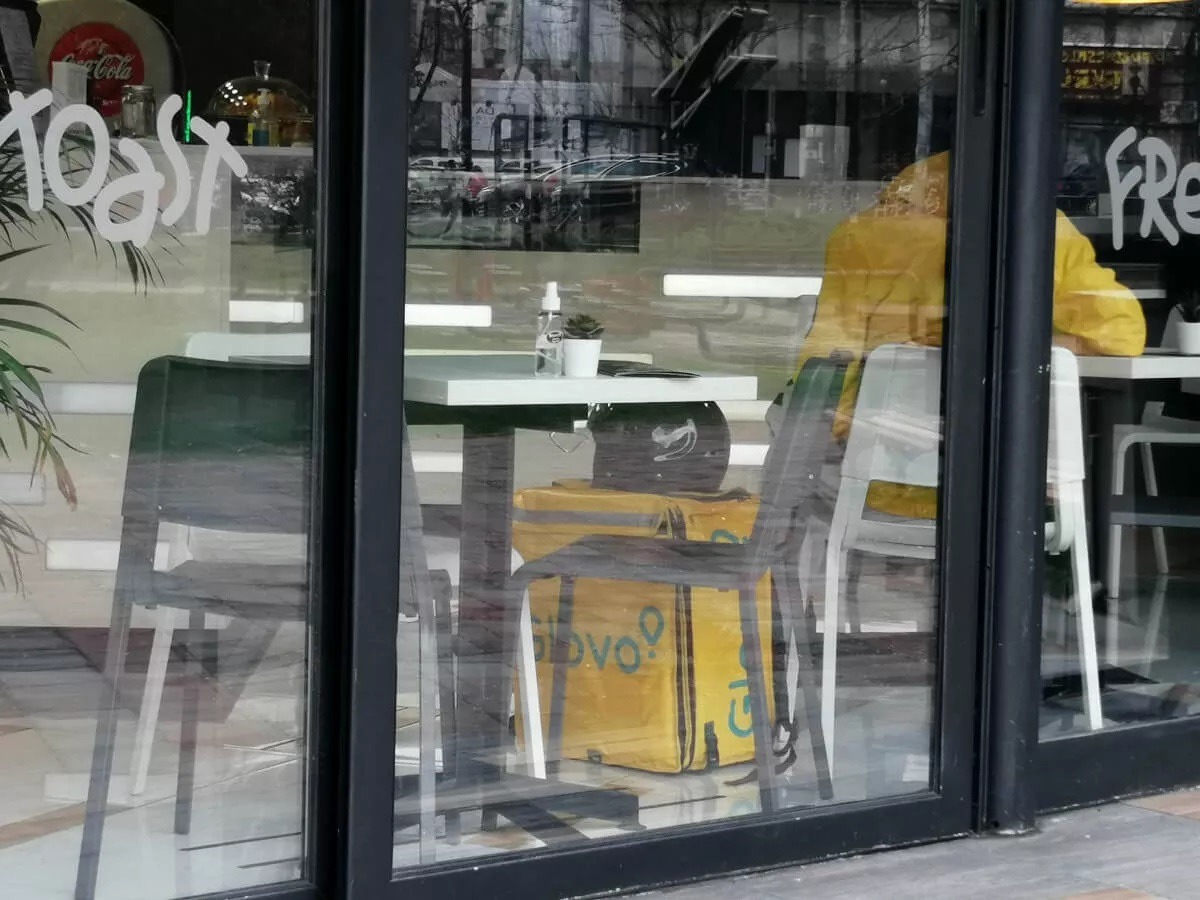
Platform workers in Eastern European countries face similar problems like their colleagues in Serbia. Does the forming of the first trade unions and other workers’ organizations suggest a possibility of international organizing?

Labour law expert Mario Reljanović believes that the draft law meant to regulate the working conditions of seasonal workers contains “meaningless” norms and does not improve workers’ rights.

To what extent do state priority projects such as the Serbian Capital of Culture really succeed in advancing and developing local cultural policies, and to what extent are they only a “decorative practice for government policies “?